Science & Data/Research & Monitoring/Non-Commercial Fisheries

Non-Commercial Fisheries

Your fishing counts — join the effort to protect Hawai‘i’s marine resources through better, community-driven data.

Hawaiʻi Fishing Survey (HMRFS): Your Catch Counts!

A cooperative project funded by:

This page is about the Hawaiʻi Marine Recreational Fishing Survey (HMRFS), a project that collects important information about non-commercial fishing in Hawaiʻi.

What is the HMRFS?

  • It’s a way for the Division of Aquatic Resources (DAR) to count how many fish are caught by people who fish for fun, food, or cultural reasons—not for selling.
  • Your data is your voice! The information you share helps keep fishing in Hawaiʻi healthy and sustainable for the future.

Background

  • Fish Stock Assessments: The data helps scientists understand how fishing affects fish populations.
  • Protecting Fishing Access: If catch limits are ever decided, this data makes sure non-commercial fishers are counted and still have a chance to fish.
  • Planning: It helps decide where to put things like new boat ramps or artificial reefs.
  • Hawaiʻi Culture: Fishing is a big part of the culture, and this survey helps recognize the social importance of fishing, like providing food for family and friends.

How the Survey Works

DAR and NOAA Fisheries use two main ways to collect data:

1. Mail Survey (Fishing Effort Survey): A mail survey is sent to some Hawaiʻi homes to estimate the number of fishing trips people take.

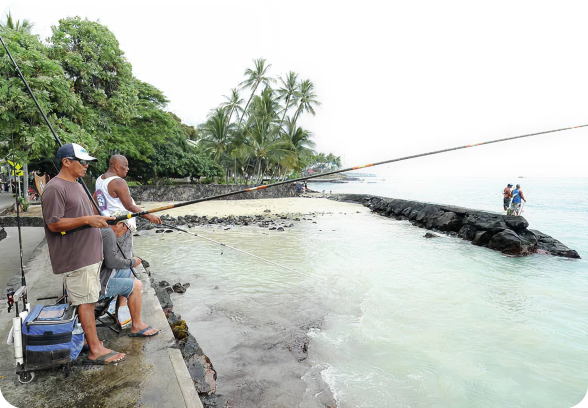
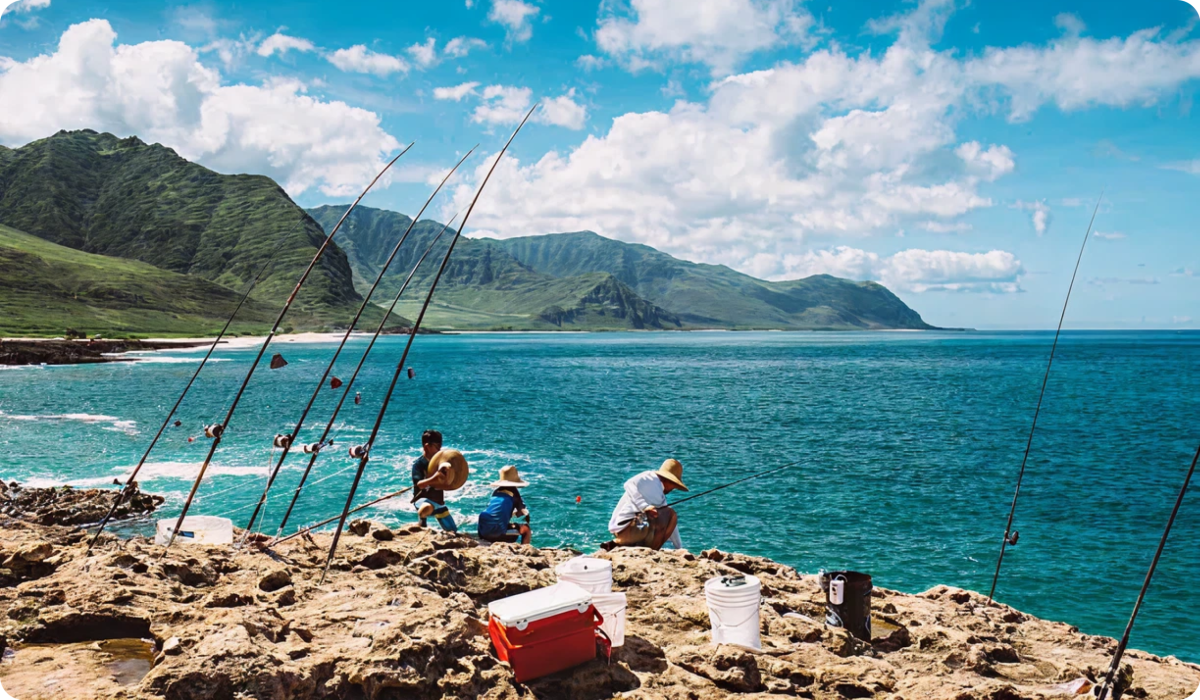
2. Field Interviews (Access Point Angler Intercept Survey): DAR staff meet and interview fishers at public fishing spots on Oʻahu, Maui, Kauaʻi, Molokaʻi, and Hawaiʻi Island to estimate the number of fish caught and what kind of gear they used (rod, spear, net, etc.).

How Can You Help?

  • Participate! If a surveyor approaches you while you’re fishing, please cooperate and share your information.
  • Fill out the mail survey if you receive one.
  • The interviewers are not law enforcement, and your personal information is kept private.

For more details, you can read the HMRFS Fact Sheet.