Learn & Explore/Habitats/Estuaries
Estuaries
Estuaries are coastal zones where rivers meet the sea, supporting rich biodiversity and marine life.
What is an Estuary?
An estuary is an ecosystem where freshwater mixes with saltwater from the ocean. Estuaries are “nurseries of the sea” because this productive, sheltered environment is incredibly rich in aquatic life, especially juvenile fish.
Our Work: How DAR Studies Hawai’i’s Estuaries
Estuaries possess distinct physical attributes that differentiate them from all other aquatic ecosystems:
-
- Wave Attenuation: Estuaries offer protection from high-energy wave action via landforms like headlands.
- Salinity Gradients: Estuaries are characterized by brackish water, maintaining a salinity level (a measure of how much salt is dissolved in water) between freshwater streams or springs and the marine environment.
- Connectivity: Estuaries feature functional, though sometimes intermittent, connections to the open ocean as well as to streams, which are critical for the migrations of various native fish and aquatic invertebrates.
- Tidal Influence: Estuaries experience tidal fluctuations; in Hawai’i, these effects can extend far inland into stream systems.
- Natural Fertility: These nutrient-rich waters act as an engine for primary productivity, fueling the entire coastal food web.
Why Estuaries Matter in Hawai‘i
Estuaries are more than murky transition zones between land and ocean; they are some of the most productive ecosystems known.
- Biodiversity: Estuaries support remarkable assemblages of species, from fish and invertebrates to limu, plankton and microbes. Many species are attracted to the varied and abundant food sources.
- Fish nurseries: The murky waters act like smokescreens, challenging adult fish as they hunt for young fish, shrimp, and crabs.
- Natural Filters: The vegetation in estuaries acts as a giant sponge, filtering out pollutants, detritus, excess nutrients and sediment from the islands before they reach coral reefs.
- Carbon sinks: Fertile waters support plant growth that spans single-celled diatoms, limu, seagrasses, and sedges.
- Storm Buffers: Estuaries protect inland areas by absorbing the energy from storm surges and heavy rainfall, diminishing erosion and flooding.
- Fishing grounds for all: Estuaries are prime and safe fishing grounds that an entire ‘ohana can enjoy, from keiki learning to fish, to kūpuna enjoying a pastime from their youth.
Types of Estuaries in Hawai‘i
Bays – with over 200 estuarine bays in the Hawaiian Islands, this is the most common type of estuary. Sources of freshwater include both streams that terminate in bays as well as coastal groundwater discharge. Many loko i‘a (fishponds) were built within or near estuarine bays to take advantage of this brackish water productivity.
Lagoonal estuaries – are Hawaiʻi’s rarest and most threatened coastal environments. Today, only about 50 of these vital ecosystems remain statewide, facing more significant human and environmental impacts than any other estuary type.
Riverine estuaries – form where streams meet the sea, extending inland as far as the tides can reach. These estuaries range broadly from small stream mouths to expansive meandering rivers, but all are vital “movement corridors” for native stream species. Every Hawaiian freshwater fish begins its life in the ocean currents. As juveniles, they must navigate through these estuaries to reach their permanent homes in the freshwater streams. During this journey, these larval fish become a primary food source for juvenile marine fish, making the estuary a high-energy nursery for the entire coastal food web.
Estuary complex – It is not uncommon for estuaries in to consist of interconnected estuary types, such as riverine and bay, lagoonal and bay, or all three types collectively creating a much larger and extensive estuarine ecosystem.
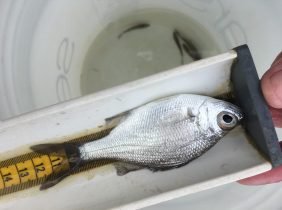
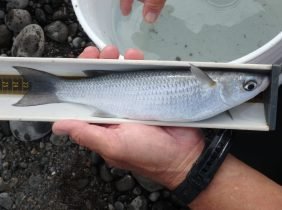
Common Fish in Estuaries
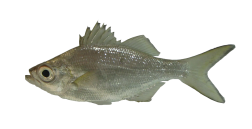
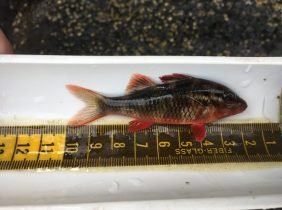
Aholehole
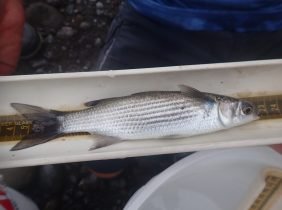
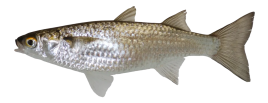
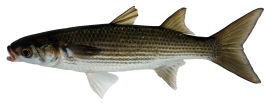
Ama ama
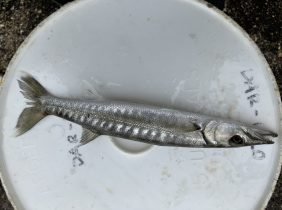
Barracuda
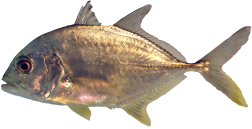
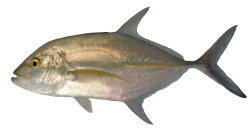
Ignobilis
Melampygus
Kiholo
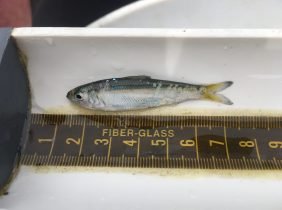
Goldspot sardine
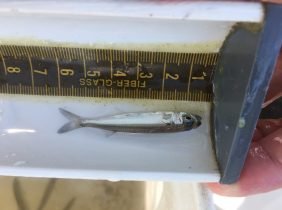
Iao
Juvenile
Xenura
Kanda
Kumu
Iai
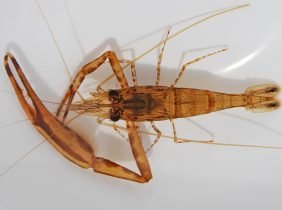
Macrobrachium grandimanus
Mamo
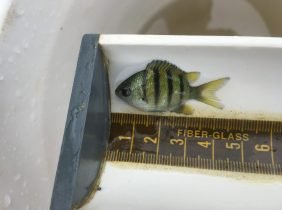
Manini
Moi
Moolgarda engeli
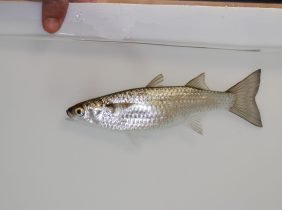
Mugil cephalus
Mulloidichthys vanicolensis
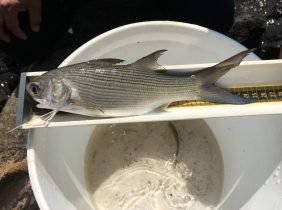
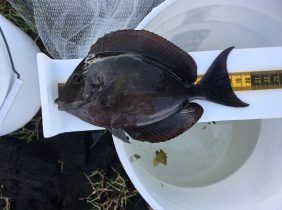
Nenue
Neomyxus leuciscus
Oama
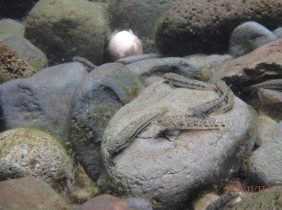
Oopu
Papio
Pualu
Toau
Uouoa
What are Stressors?
Because most estuaries are so close to human development, this ecosystem is often at risk from overdevelopment, pollution, freshwater diversion, and introduced species. Protecting and restoring estuaries is a priority for DAR. Visit the DAR Estuaries Program for more information.