Know the Rules/Laws & Rules/Coral & Live Rock

Coral & Live Rock

Protecting Hawaii’s coral and live rock to preserve healthy ocean ecosystems.

Stony Corals

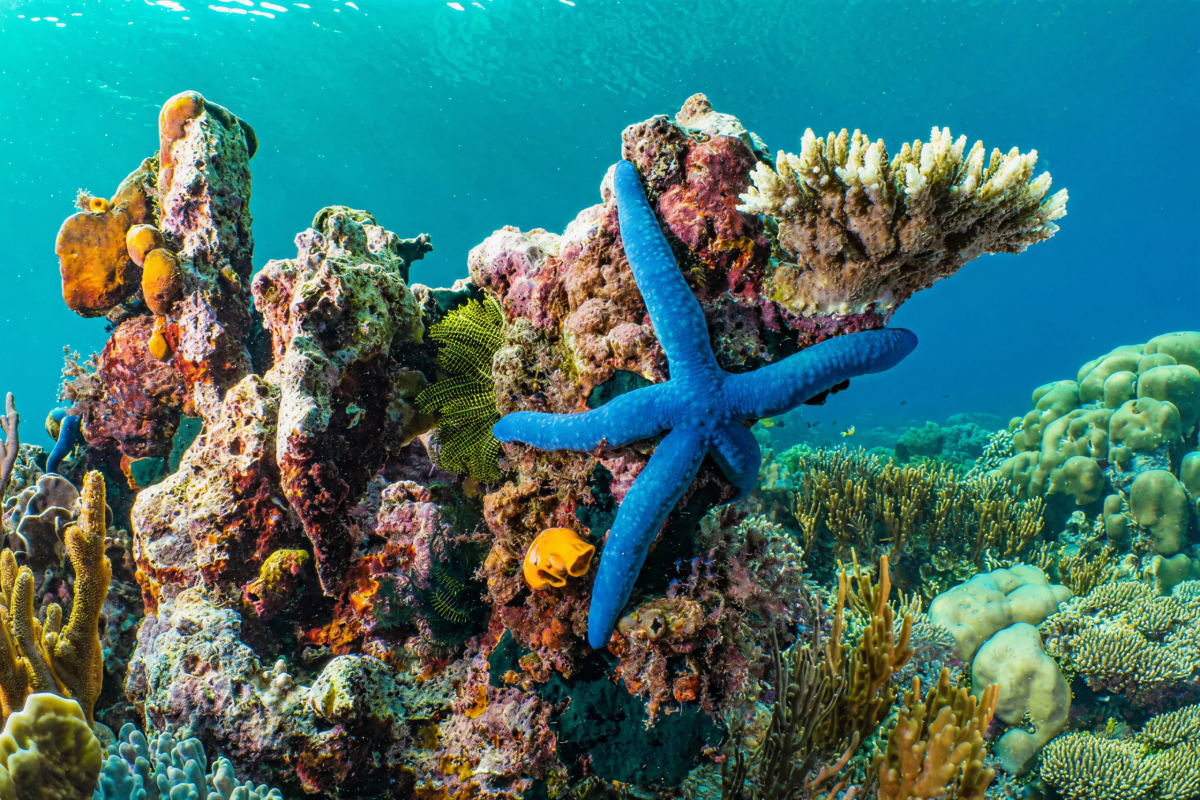
Stony corals are marine corals that create a hard skeleton. By rule, any species in the Order Scleractinia (including reef and mushroom corals) is considered a stony coral.

What are Stony Corals?

  • They belong to the same group as jellyfish and anemones.
  • Most are colonial, meaning they live in groups.
  • Each coral secretes a hard skeleton made of calcium carbonate.
  • The living part of the coral is made up of tiny animals called polyps, which sit in cup-like structures called calyces.

Why are Corals Colorful?

  • Corals get their color from algae called zooxanthellae that live inside the polyps.
  • The coral and algae have a symbiotic relationship—each benefits from the other.
  • Most stony corals form colonies attached to the reef, but some live alone.

Why are Coral Reefs Important?

  • They provide food and shelter for many fish and invertebrates.
  • Corals grow very slowly, so damaged reefs can take hundreds of years to recover.
  • Protecting coral is critical—do not take or damage coral, live rocks, or coral rubble.

Hawai‘i Law

It is illegal to take, break, or damage any stony coral from Hawaii’s waters, including reef or mushroom corals.

HAR 13-95-70

Rules About Stony Corals

  • Do not take, break, or damage any stony coral, including reef or mushroom corals.
  • Do not harm corals through activities that introduce sediment, pollutants, or biological contaminants into state waters.
  • Do not sell stony corals, except for stony coral rubble pieces or fragments imported for the manufacture and sale of coral jewelry, or dead stony coral obtained through legal dredging operations in Hawai‘i for agricultural or industrial puposes, may be sold.

Culturing Corals

If you want to culture corals for restoration or similar purposes, read the FAQs at this link.

Live Rock

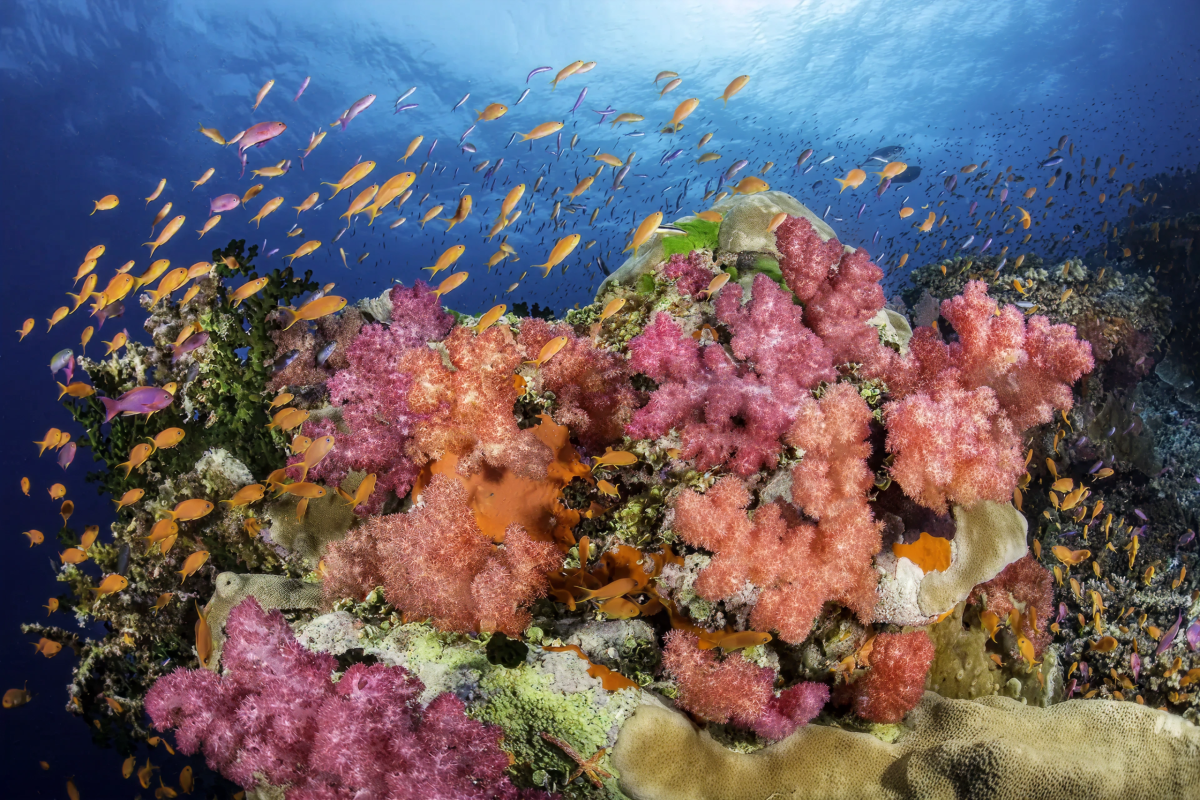
Live rock is defined by administrative rule as any natural hard substrate to which marine life is visibly attached or affixed. Virtually every hard substrate in nearshore waters has something living attached to it.

Live Rock

Rules Pertaining to Live Rock

Unlawful to take, break or damage, any live rock, defined as any natural hard substrate to which marine life is visibly attached or affixed.

Unlawful to damage any live rock by any intentional or negligent activity causing the introduction of sediment, biological contaminants, or pollution into state waters.

Unlawful to sell any live rock.
Rules Pertaining to Live Rock