Welcome to DAR
The mission of the Division of Aquatic Resources is to work with the people of Hawai‘i to manage, conserve and restore the state’s unique aquatic resources and ecosystems for present and future generations.
NOTICES
Closed seasons
Pāpa‘i kualoa (Kona crab) May-Sep
Waikīkī-Diamond Head
Closed during 2025
Kōke‘e, Kaua‘i
Rainbow trout season Jun 14-Sep 30, 2025
West Hawai‘i Regional FMA
Pāku‘iku‘i closed until Dec 2026
ANNOUNCEMENTS
[display-posts post_type=”announcements” posts_per_page=”4″ include_excerpt=”false”]
Read More Announcements
Protecting Hawai‘i’s
Aquatic Heritage
Together, we protect and restore Hawai‘i’s exceptional aquatic life for future generations.
The mission of the Division of Aquatic Resources is to work with the people of Hawai‘i to manage, conserve and restore the state’s unique aquatic resources and ecosystems for present and future generations.
Fishing in Hawai‘i:
Culture, Community, and Commerce
Non-Commercial Fishing
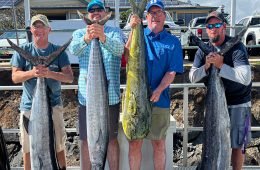
For residents and visitors who fish for fun, subsistence, or cultural practices.
Commercial Fishing
For businesses and individuals fishing for sale or trade. Includes reporting requirements.
Get to know Aquatic Habitats
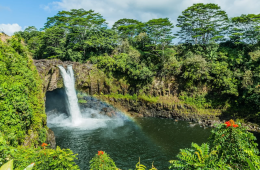
Discover the places where land and sea connect, experience the richness of aquatic life, and learn how our waters shape culture, recreation, and community.
Respecting Marine Life
Marine life is essential to the balance of our planet. By protecting ocean creatures and their habitats, we help preserve biodiversity, support healthy ecosystems, and ensure that future generations can continue to enjoy and learn from the wonders of the sea.
Explore Life Beneath the Waves
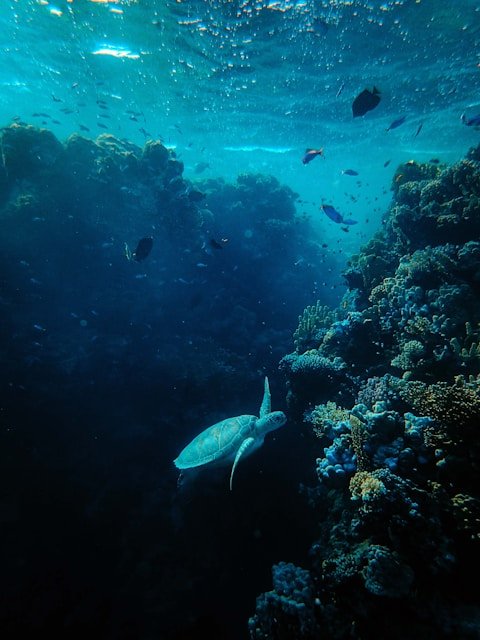
Meet the aquatic life inhabiting Hawaiʻi’s waters, understand what they need to thrive, and learn why their stewardship is vital for the future of our islands.
Rules You Need to Know
From research collaborations to reef restoration, DAR works with scientists to turn data into ocean protection. Here’s what’s happening right now.
Marine Managed Areas
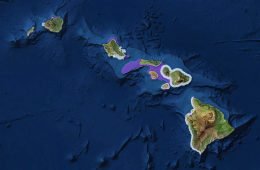
Discover how Hawai‘i protects its vibrant marine ecosystems through special conservation areas that preserve ocean life for future generations.
Science & Data
From reef restoration to marine research partnerships, DAR turns data into action. Here’s what’s happening right now.
Shark Sightings & Incidents: Latest Updates
Protecting Hawai‘i’s Reefs
Tracking Ocean Life
Quick
answers to questions you may have
Can’t find what you’re looking for? Contact us here:
Want to search for it instead?
Where can I fish in Hawai‘i?
We cannot recommend specific places to fish. Most shoreline areas in Hawai‘i are open to fishing, unless prohibited or restricted and indicated by signs. There should be prominent signs posted at key public access points to the shore where fishing is restricted.
While the Hawai‘i Fishing Regulations booklet is a good reference, it does not list all areas where fishing is restricted. For example, military bases, wildlife refuges, natural area reserves, harbors, and other areas may not be listed in the HFR, but fishing may still be restricted.
In addition, freshwater streams (fishing not available on all islands) do not usually have signs, but access is restricted by private property rights. It’s best to fish in publicly-accessible areas, just to be certain.
If I catch an undersized or out-of-season fish and it dies before I can release it, can I keep it?
No, it is unlawful to take or possess undersized or out-of-season fish. We recommend that you release it, even though it’s dead.
While releasing a dead fish might seem wasteful, it is unlawful to possess such fish, and it will be recycled in the ocean. Allowing persons to keep undersized or out-of-season fish because it was dead would make the law unenforceable.
Can I transport the aquatic life I collect for my personal home aquarium out of state?
Yes, although you should check with the appropriate agency in your home state for any restrictions on the kinds of animals they will allow to be imported. Many states have alien species concerns, which may include microscopic organisms, pathogens, or parasites in the water or on the fish.
You should also check with your airline to find out their requirements and recommendations for shipping live fish.
What do I do if I see a violation?
We recommend that the public report all violations or potential violations to DOCARE at 808-643-3567. Even if you do not see an officer respond in person, your call is still important.
The information may be used to create a list of problem areas where more directed enforcement resources could be focused.