

Science & Data/Reports/Library/Ānuenue Fisheries Research Center
Ānuenue Fisheries Research Center
A state research facility advancing aquatic science, fish culture, and fisheries conservation in Hawaiʻi.
Location
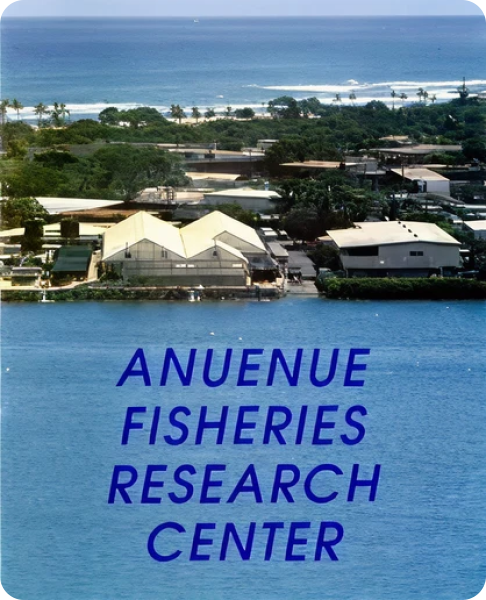
The Ānuenue Fisheries Research Center (AFRC) is a facility of the State of Hawai’i’s Division of Aquatic Resources, Department of Land and Natural Resources. It is situated on a 5.2-acre parcel on Sand Island, some six miles from downtown Honolulu.
Facilities
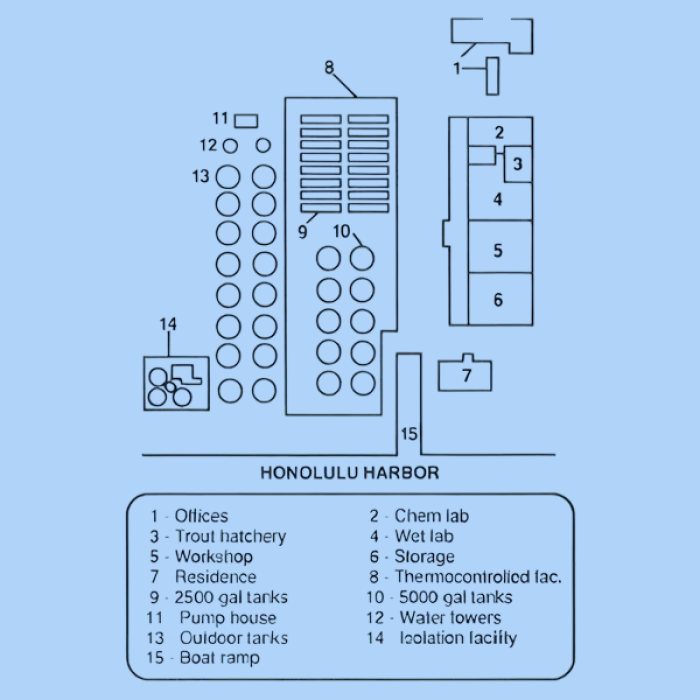
The AFRC serves as a base yard, hatchery, and culture center for the Division of Aquatic Resources. The physical facilities include: (1) 2 – 1,300 sq ft office complex; (2) a 7,000 square feet complex that houses a specimen workroom, freshwater fish hatchery, workshop and storage areas for fisheries survey gear, equipment, and forklifts; (3) a 19,000 square feet hatchery building; (4) the Chief Biologist’s residence; (5) 3,900 sq ft canvas cover all fabric covered structure for boat storage and maintenance; (6) 60,000 sq ft for outdoor aquaculture rearing tanks; (7) 4,100 sq ft Coral Nursery office building; (7) 1- 5,100 sq ft. warehouse for storage and offices (note: this is the subcom warehouse).
Other Infrastructure
Other infrastructure includes a boat launching ramp, 12-inch saltwater well, two 5,000-gallon saltwater towers, assorted outdoor tanks, a 75 kVA emergency generator for power outages, and related support facilities.
Staffing
AFRC has 51 staff members consisting of a facility manager, aquatic biologists, and technicians. (11 civil service biologists and 9 technicians; 11 contract research biologists and 22 technicians.)
Recreational-Sportfishing & Aquaculture Activities
The AFRC is involved in all aspects of our fisheries and aquaculture programs. Current activity involves the production of rainbow trout for stocking of public fishing area at Koke’e (Kaua’i), Sea Urchin used for biocontrol of invasive seaweeds, Coral for damage reef rebuilding.
Culture experiments currently include limu.
Fisheries Support
The AFRC supports all the Division’s programs relating to freshwater, estuaries, and marine biological surveys, fish stock assessments, fish aggregating devices (currently under DAR but running through RCUH), artificial reefs, drift net removal, and fish kill and pollution investigations , as necessary. AFRC serves as a base yard for equipment, boats and vehicles. Field survey work is based out of the facility. The AFRC’s Fishery Technicians provide a pool of manpower responsible for boat and vehicle maintenance, and servicing/repairing of fisheries survey equipment and gear. The Fishery Technicians are certified divers and participate in marine surveys with Aquatic Biologists using SCUBA and other survey related equipment.
- Culture experiments with: moi, kumu, ulua, aholehole, hybrid rose tilapia, Samoan crab, and ogo
- Collaborative research on moi and ʻōpakapaka with:
- Hawaiʻi Institute of Marine Biology
- Oceanic Institute
Partnerships and support:
- Providing facilities, infrastructure, and technical support to:
- University of Hawaiʻi Sea Grant Extension Program
- Center for Tropical and Subtropical Aquaculture (CTSA)
- Waikīkī Aquarium
- Hawaiʻi Aquaculture Association
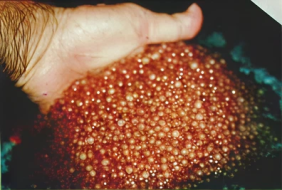
Channel catfish eggs
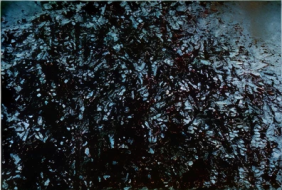
Channel catfish juveniles
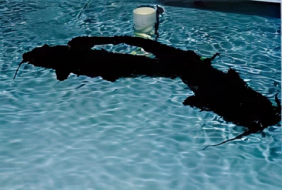
Channel catfish adults
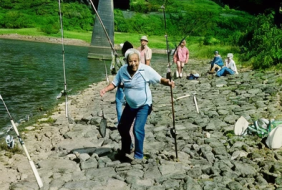
Fishing at Nu’uanu Reservoir
- Recent success with the submerged offshore sea cage (moi experiment) and land-based operations has increased demand for moi seed stock
- Demand is being driven by the growth of the moi aquaculture industry in Hawaiʻi
- AFRC is expanding its moi seed stock production to meet this growing industry need
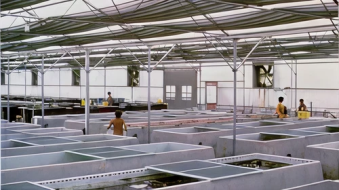
Interior of AFRC thermocontrolled facility
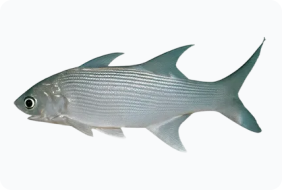
Moi in tank
- AFRC staff provide extension services to Hawaiʻi’s aquaculture community
- Services include:
- Pond chemistry and water quality support
- Hatchery design
- Farm production management and marketing guidance
- Library and research support
- Aquatic health and disease diagnostic services are also available
- These services are provided through the Aquaculture Development Program’s Disease Specialist based at AFRC
Fisheries Support
The AFRC supports all of the Division’s programs relating to freshwater and marine biological surveys, fish stock assessments, fish aggregating devices, artificial reefs, drift net removal, and fish kill and pollution investigations, as necessary. AFRC serves as a base yard for equipment, boats and vehicles. Field survey work is based out of the facility. The AFRC’s Fishery Technicians provide a pool of manpower responsible for boat and vehicle maintenance, and servicing/repairing of fisheries survey equipment and gear. The Fishery Technicians are certified divers, and participate in marine surveys with Aquatic Biologists using SCUBA and other survey related equipment.
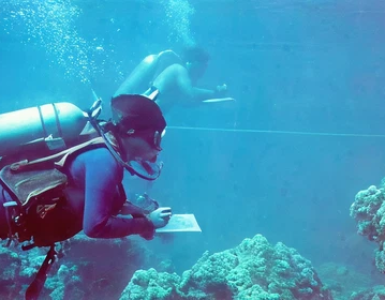
AFRC Technicians and Division biologists conducting fish transects
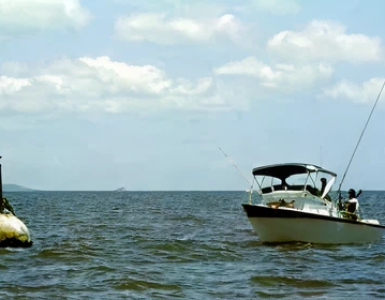
Fish Aggregating Device (FAD) constructed at AFRC and nearby Snug Harbor
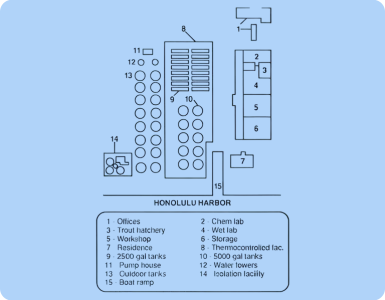
Diagram illustrating layout of the facilities at Anuenue Fisheries Research Center