

Learn & Explore/Programs & Initiatives
Restorative Aquaculture
Aquaculture to restore ecosystem health and Hawaii’s biocultural resources
Overview
The Division of Aquatic Resources (DAR) oversees aquaculture and aquatic species stocking in Hawai‘i to support sustainable fisheries, enhance ecosystem resilience, and restore damaged or depleted habitats. DAR works closely with partners across government, research institutions, and the community to ensure that all aquaculture and stocking activities protect native species, maintain ecosystem balance, and align with state conservation goals.
RestorativeAquaculture in Hawai‘i
Sustainable Production
Management of sustainable fisheries in Hawaiʻi is rooted in a blend of science-based regulation, community stewardship, and cultural practice. The Hawaii Division of Aquatic Resources (DAR), under the Hawaii Department of Land and Natural Resources (DLNR), plays a central role in ensuring that marine resources are managed for long-term ecological health, food security, and cultural continuity.
DAR supports restorative aquaculture practices spanning from loko i’a to producing native sea urchins for biocontrol of invasive algae to replenishing wild stocks of native finfish. DAR is developing culture methods for coral, limu, and other lower-trophic species that will support ongoing community-based restoration efforts.
DAR actively manages compliance documentation and provides support for aquaculture activities within the State, as they pertain to the ecosystem health and function.
Fisheries and Resource Enhancement
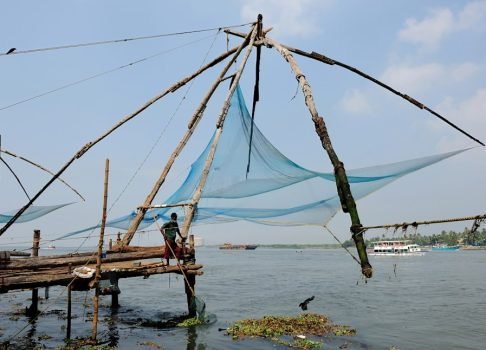
DAR is currently developing a fisheries enhancement framework focused on stakeholder engagement and building relationships with cultural practitioners, fishers, and recreational users to name a few. DAR is focused on adapting management strategies to concerns based on stock assessments, genetic screening, and disease management.
DAR is interested in rebuilding depleted or degraded aquatic resources such as coral, limu and fish. The impacts of changing climate, development, and fishing pressures have placed strain on wild stocks that are integral biocultural resources of our people. Aquaculture is a powerful tool that can be woven into the more holistic approach to watershed management and downstream ecosystem health of our nearshore environment.
Stocking & Resource Enhancement
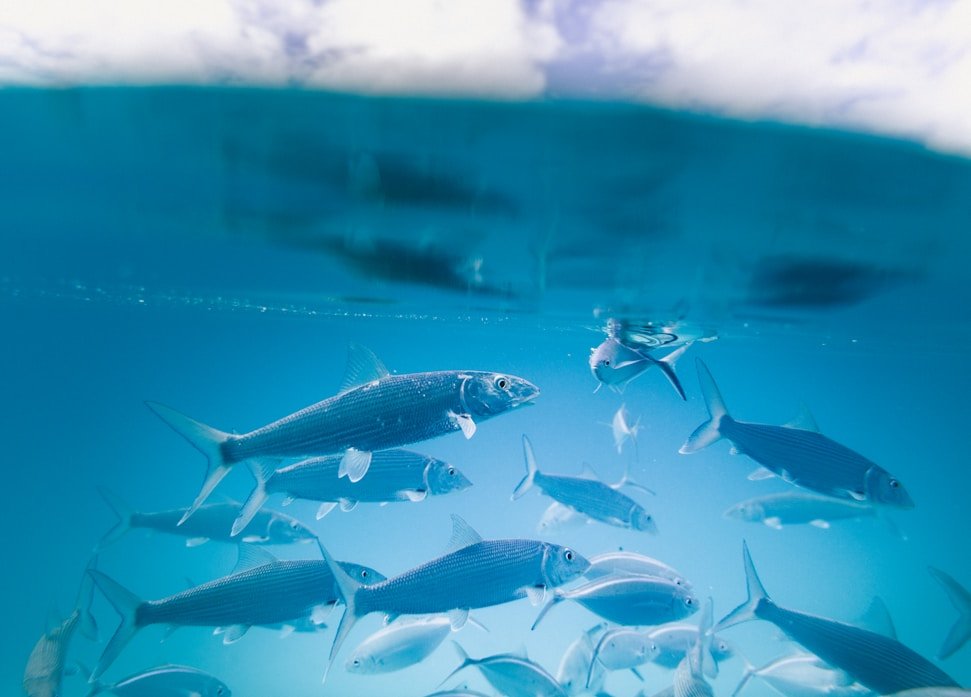
Purpose of Stocking
DAR may support or authorize stocking efforts when they contribute to:
- Restoring depleted native species
- Rebuilding herbivore populations critical for coral reef health
- Enhancing fisheries sustainability
- Restoring damaged habitats
All stocking efforts must be ecologically appropriate and based on scientific assessment.
Key Programs
Limu Aquaculture
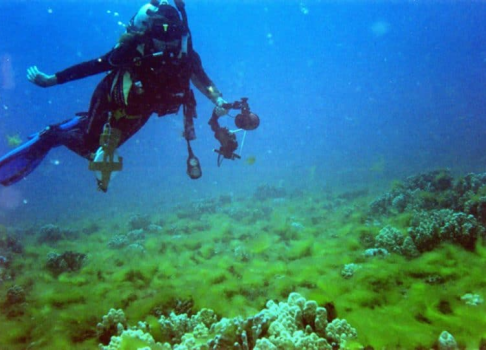
We are constructing a controlled, biosecure aquaculture space designed for native limu propagation and research. The facility includes:
- Devoted space for biobanking
- System parameter controls to simulate natural conditions of the ocean
- Dedicated seedstock and nursery areas at Anuenue Fisheries Research Center
- Community outreach and education
DAR integrates lessons from these programs into all stocking-related decisions.
Goal
To develop scalable, science-based methods for cultivating native limu that support reef restoration, invasive algae management, food security, and cultural practices – strengthening Hawaiʻi’s capacity for restorative aquaculture and long-term ecosystem and human resilience.
Native Finfish Aquaculture & Stock Enhancement Program
Hatchery and grow-out systems focused on native nearshore species, currently papio (juvenile Caranx ignobilis / ulua) and ʻamaʻama (Mugil cephalus), with future expansion to moi (Polydactylus sexfilis) are in development across State Facilities: Anuenue Fisheries Research Center (Mauliola, Oahu) and Wailoa Fisheries Research Station (Hilo, Hawaii). The program integrates:
- Establishing broodstock
- Larval rearing and nursery production
- Genetic screening using locally developed SNP-chips
- Biosecure water quality and disease prevention protocols
- Tagging, monitoring, and data collection to evaluate survival and performance
- Coordination with regulatory oversight for responsible tag-recapture
Goal
To rebuild and strengthen nearshore fisheries by producing high-quality native juveniles for fishpond recruitment, increased fishing opportunities, and food security.
Hawaiʻi Coral Reef Restoration (HCRN) Facility & Program
The HCRN facility operates as a land-based coral propagation and research center supporting reef restoration statewide. The system integrates:
- Flow-through and recirculating seawater systems
- Space for preparing and holding corals from the field
- Controlled aquaria for micro fragmentation and nursery grow-out
- Strict quarantine and biosecurity protocols
- Staff dedicated to growing Hawaiian corals
The facility is designed to support both production-scale coral propagation and applied research in partnership with state, federal, academic, and community collaborators. Our staff are involved in propagation to outplanting efforts.
Goal
To restore Hawaiʻi’s coral reef ecosystems by producing healthy, resilient coral colonies for strategic outplanting and reef recovery efforts. HCRN combines coral husbandry, genetic diversity considerations, climate resilience research, and field-based monitoring to increase reef survival and ecosystem function.
The program supports coastal protection, fisheries habitat recovery, biodiversity conservation, and long-term climate adaptation – strengthening Hawaiʻi’s capacity for science-based, community-informed coral reef
Sea Urchin Biocontrol Program
A land-based culture and field deployment program focused on raising native collector sea urchins (Tripneustes gratilla) for targeted biocontrol of invasive algae on Hawaiʻi’s reefs. The program integrates:
- Broodstock conditioning and spawning systems
- Larval rearing and juvenile settlement tanks
Nursery grow-out to outplant size - Biosecure water quality and disease screening protocols
- Strategic field deployment and post-release monitoring with aquatic invasive species team.
Outplanting efforts are coordinated with watershed management, coral restoration, and community partners to ensure site-specific impact and measurable outcomes.
Goal
To suppress invasive macroalgae and restore ecological balance on degraded reefs by enhancing populations of native herbivores. By increasing grazing pressure in priority areas, the program supports coral recruitment, improves reef resilience, and strengthens nearshore fisheries habitat.
Sea urchin biocontrol serves as a practical, science-based tool within a broader ecosystem restoration strategy – helping shift reefs from algal dominance back toward coral-supported systems.
Permits & Regulations
When a Permit Is Required
A DAR permit may be required for:
- Stocking fish or aquatic invertebrates
- Any release of cultured species into the wild
- Research involving aquatic species releases
- Aquaculture activities with potential environmental impact
Permit Review Considerations
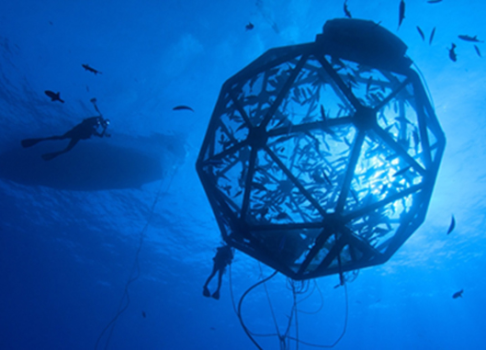
DAR evaluates:
- Species suitability (native vs. non-native)
- Source of broodstock
- Biosecurity measures
- Site selection and environmental conditions
- Potential ecological risks
How to Apply
Permit details, application forms, and guidance documents will be available on the updated DAR Permits Portal.
Contact
For questions about aquaculture, stocking, or permit requirements.
Division of Aquatic Resources
Restorative Aquaculture Biologist (Statewide)
Anthony Mau Ph.D.
Phone: 808‑587‑0100
Email: anthony.b.mau@hawaii.gov