Learn & Explore/Programs & Initiatives/Community-Based Collaborative Management
Community-Based
Collaborative Management
Working with communities to protect and restore Hawaiʻi’s lands and waters
The Division of Aquatic Resources (DAR) partners with local communities on various conservation and management projects, including mauka to makai watershed restoration, monitoring, and marine co-management. Below are a few types of collaborative work that DAR engages in. It is vital that we all work collectively to manage, conserve, and restore our ‘āina and kai.
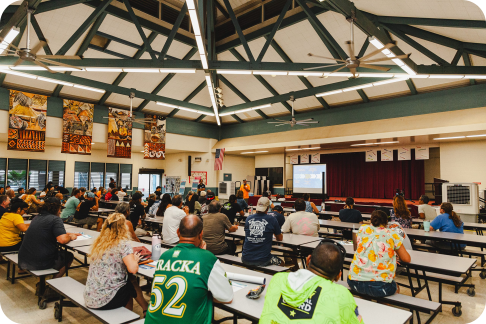
Marine Co-Management Areas
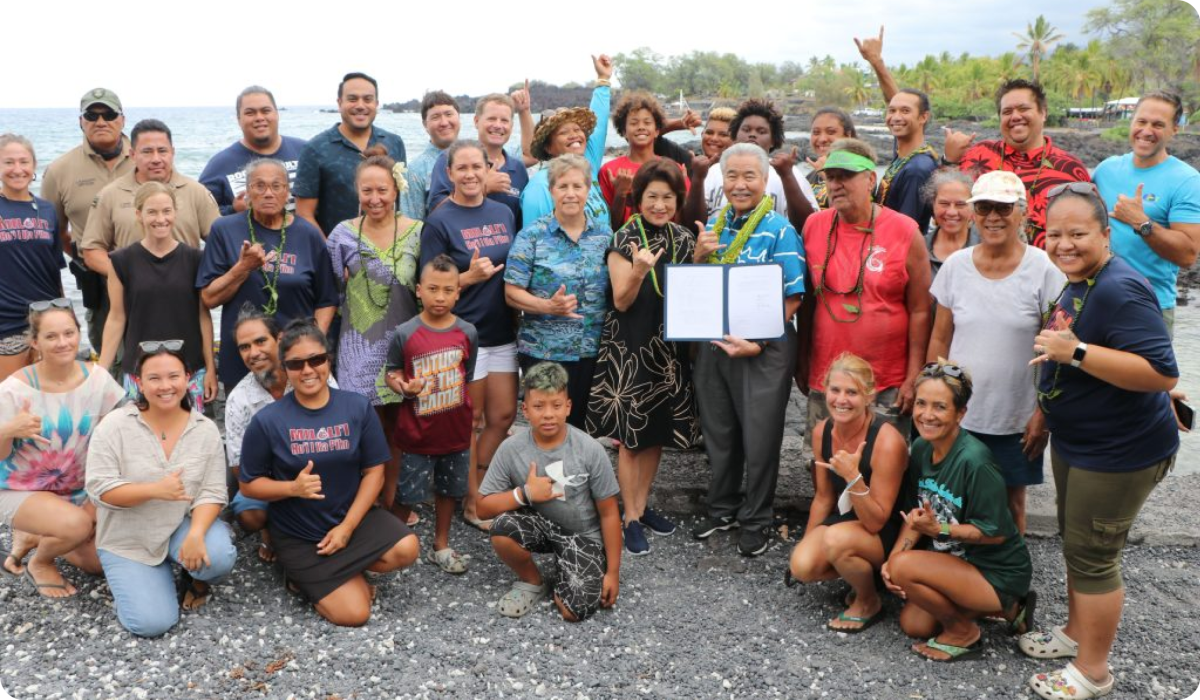
Marine Management Areas (MMAs) are designated zones in state marine waters each with its own set of rules to protect important ecological and cultural resources. Several MMAs in Hawai‘i are co-managed between local communities and DAR. Some examples include the Pūpūkea Marine Life Conservation District and Maunalua Bay Fisheries Management Area on O‘ahu, and Community-Based Subsistence Fishing Areas in Kīpahulu, Maui; Miloli‘i, Hawai‘i Island; and Hāʻena on Kaua‘i.
Collaboration between government and communities allows the integration of local and traditional knowledge, perspectives, and practices into marine management strategies that create a more inclusive, equitable approach to natural resource management.
Learn more about MMAs.
The Holomua Marine Initiative is also a community-driven effort where local knowledge and input are guiding marine resource management planning at island- and regional-scales. The goal of Holomua is to effectively manage Hawai‘i’s nearshore resources through holistic management strategies and partnerships centered around community priorities, cultural practices, and local knowledge to ensure healthy reefs and abundant resources for future generations.
Community-Based Monitoring
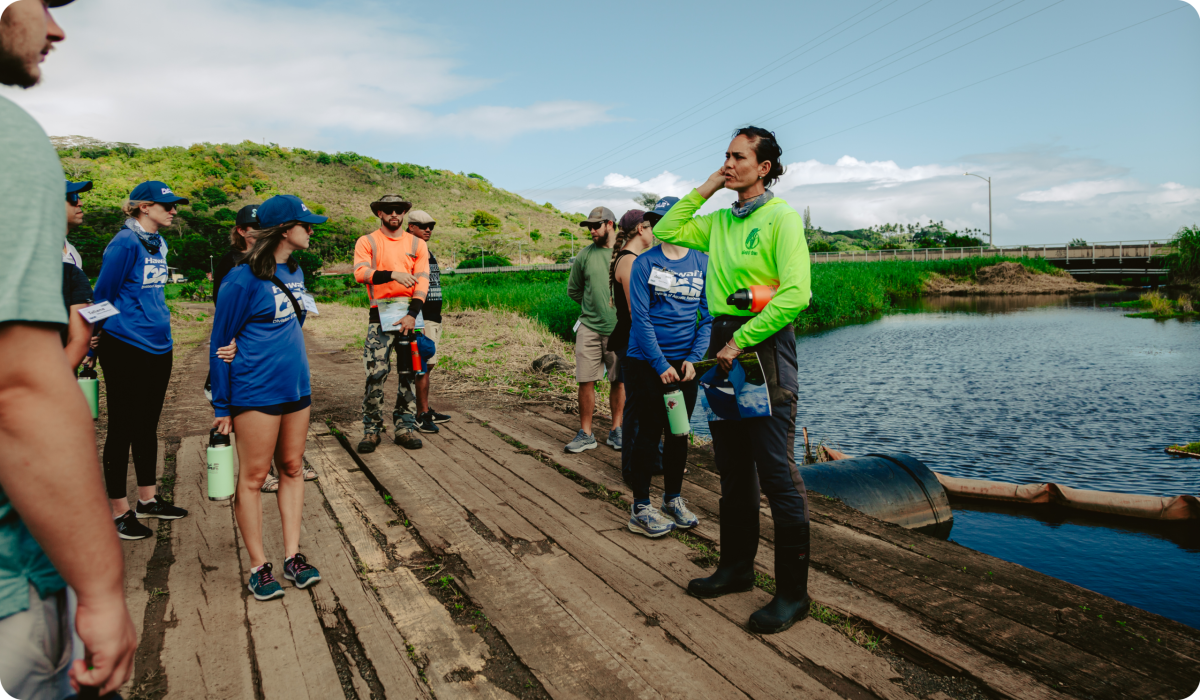
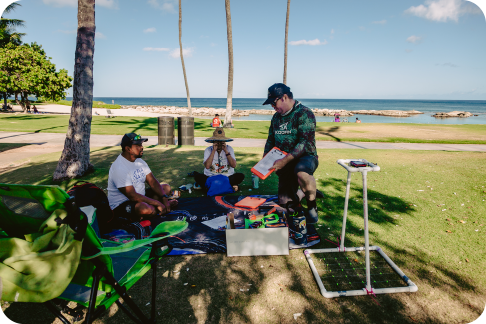
Collaborative, community-based monitoring can help fill data gaps and provide important information for decision-making. DAR works with programs like Makai Watch, Hui O Ka Wai Ola, and the Kōkua Community-Based Monitoring Project to collect a wide range of data.
The Kōkua Community-Based Monitoring Project provides technical support to communities in identifying and creating monitoring protocols based on their research priorities. This may include human-use monitoring, intertidal monitoring, fishing logs, and kilo.
On Maui, DAR supports Hui O Ka Wai Ola, a group of community volunteers, scientists, and supporters dedicated to measuring water quality and sharing the status of Maui Nui’s nearshore waters. DAR uses this data to inform where mauka interventions are needed to mitigate pollution impacting aquatic ecosystems.
Makai Watch is a collaborative, statewide program where citizens and NGOs work with the Department of Land and Natural Resources, Division of Conservation and Resources Enforcement (DOCARE) to promote compliance to rules, education, and monitoring. The program trains volunteers on how to accurately observe, identify and report resource violations to DOCARE, and some Makai Watch groups also conduct human-use surveys and other types of monitoring. Many MMAs include Makai Watch programs.
Collaborative Restoration
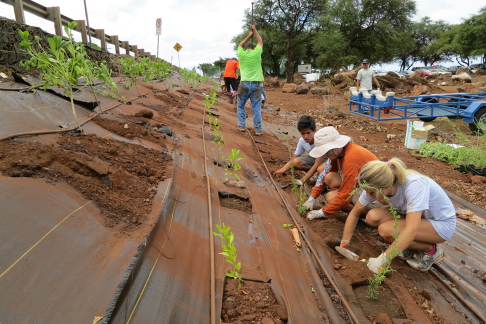
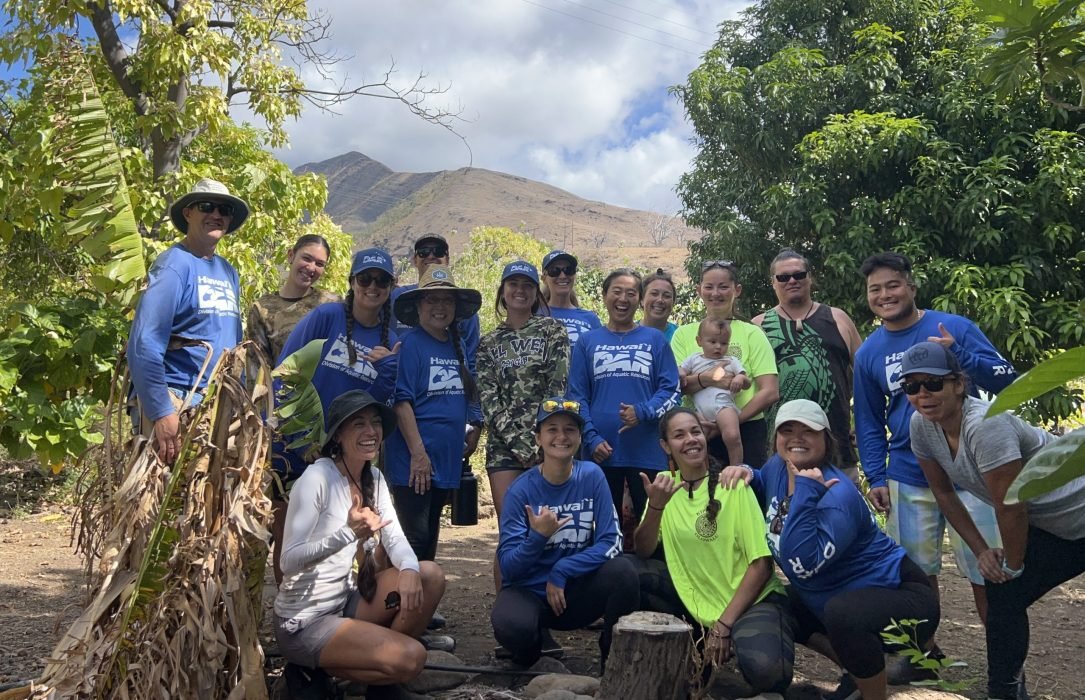
DAR is involved in many partnerships that focus on watershed restoration from mauka to makai. Key projects include the West Maui Ridge to Reef Initiative (R2R), the He‘eia National Estuarine Research Reserve, and more.
The West Maui R2R Initiative aims to restore and enhance the health and resilience of West Maui coral reefs by reducing land-based pollution. Visit the West Maui R2R Initiative website to learn more about the collaborative work between multiple government agencies, organizations, and community groups.
He‘eia on O‘ahu was designated as the 29th site in the National Estuarine Research Reserve System (NERR), and encompasses 1,385 acres of wetlands, streams, and coastal habitats. The He‘eia NERR represents a strong partnership among federal, state, and community-based entities to support restoration of indigenous resource management, research, education, and training. Visit the He‘eia NERR website to learn more.
Learn more about these projects.