Know the Rules/Fishing Regulations/Marine Managed Areas/Hawai‘i Marine Life Conservation Districts/Lapakahi

Hawai‘i - Lapakahi Marine Life Conservation District (MLCD)

Style A Carousel
  • Hawai‘i Island — HAR 13‑33
  • 146 acres | Established 1979

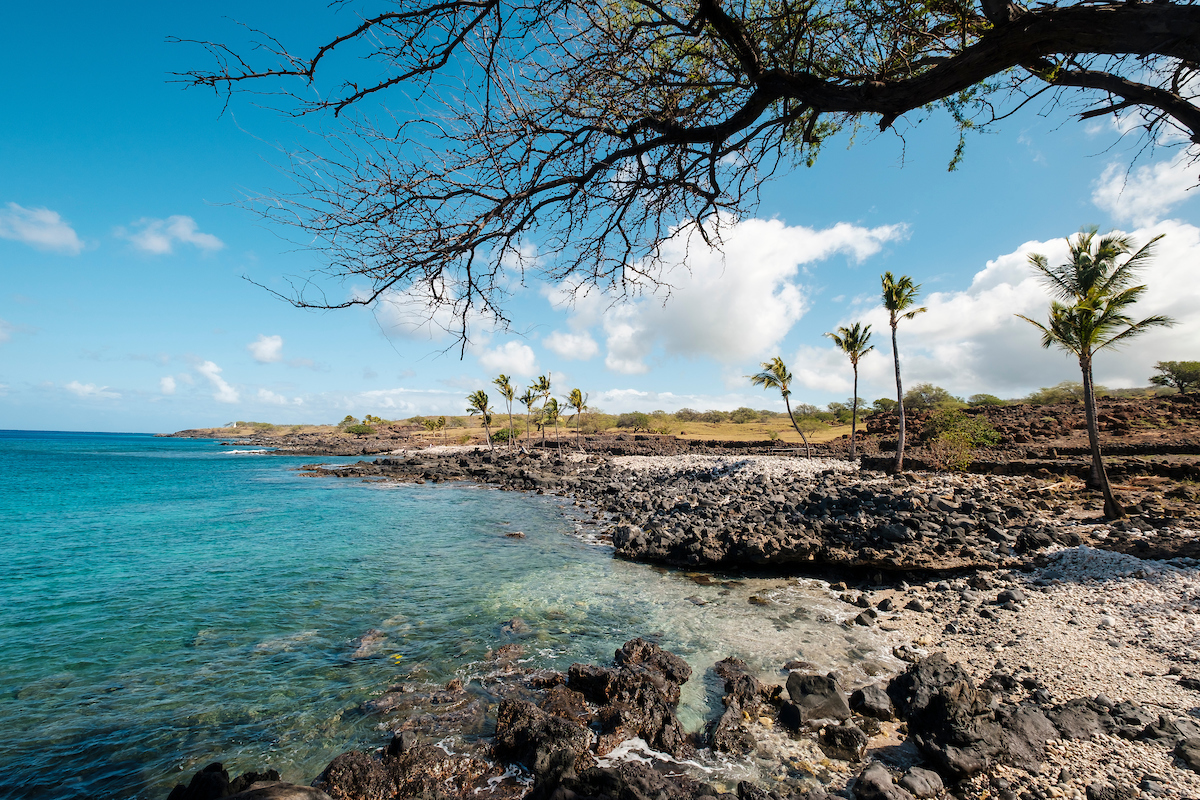
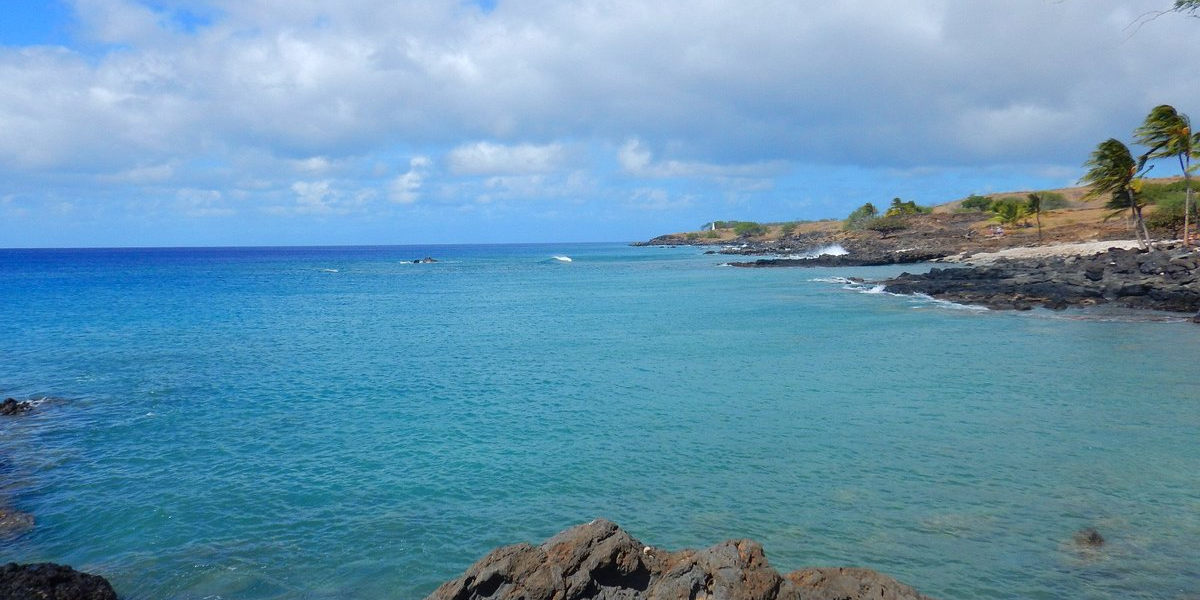
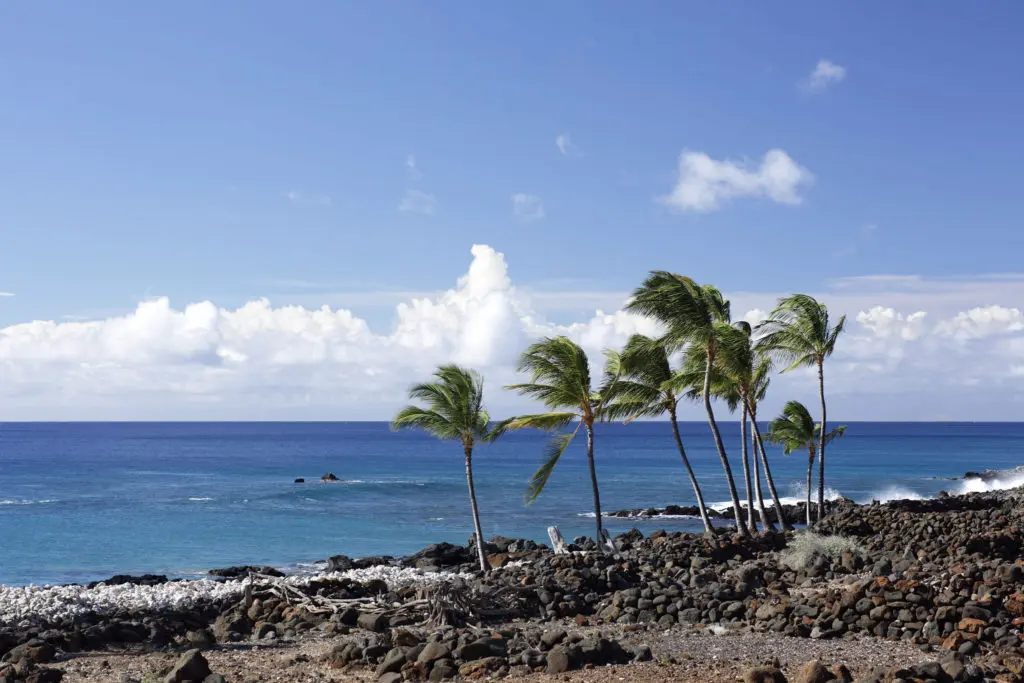
Set along the rugged northwestern coast of Hawai‘i Island, Lapakahi protects a diverse stretch of nearshore reef adjacent to Lapakahi State Historical Park, home to the partially reconstructed ancient fishing village of Koai‘e (dating to the 1300s). The site is about 12 miles north of Kawaihae via Highway 270. Look for the park entrance on the left side of the highway; parking is available at the end of the access road.

MLCD Subzones & Boundaries

The Lapakahi MLCD is divided into two subzones:

  • Subzone A – Includes Koai‘e Cove.
  • Subzone B – Encompasses waters extending 500 feet seaward of Subzone A and southward along the shoreline adjacent to the park, from the highwater mark out to 500 feet offshore.

These subzones balance cultural access and recreation with the protection of sensitive marine habitats.

Cultural Landscape

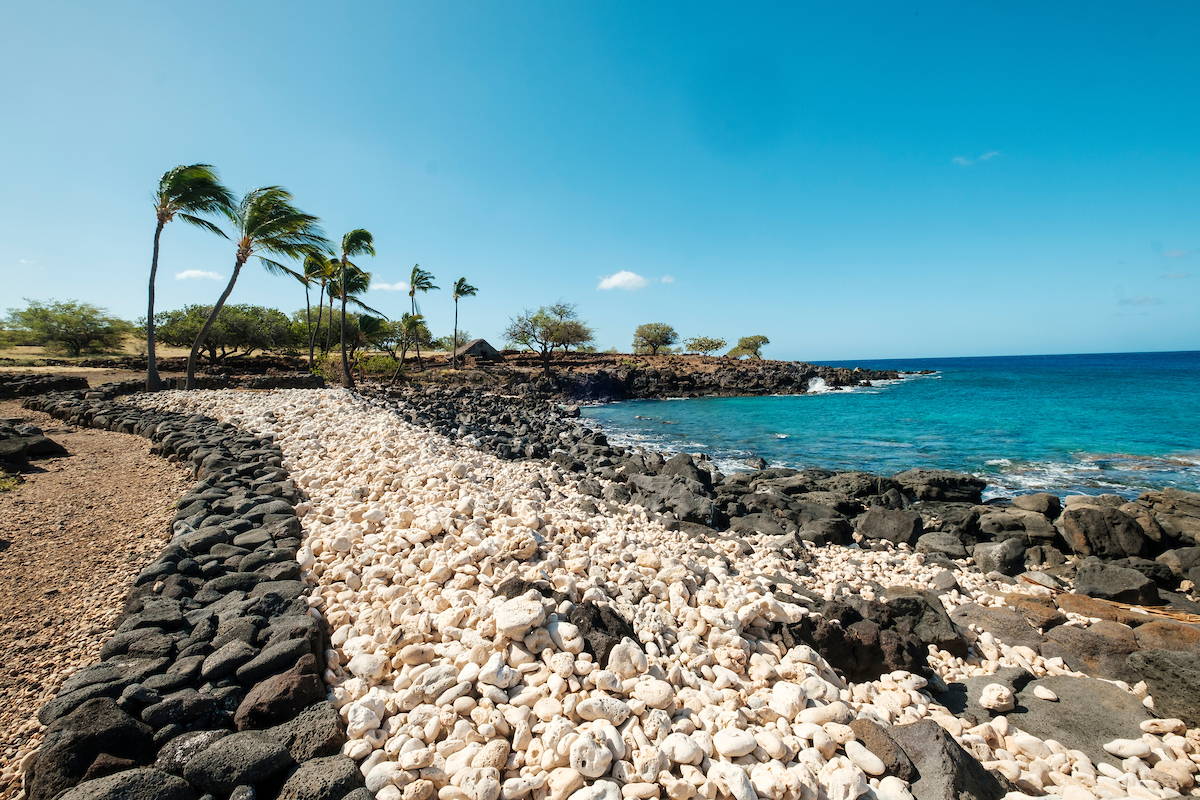
Lapakahi State Historical Park preserves the remains of Koai‘e, an ancient coastal fishing settlement. Visitors can view excavated structures and interpretive features that reflect traditional Hawaiian coastal life—directly adjacent to the living reef the MLCD safeguards.

Marine Environment

Koai‘e Cove (Subzone A)

  • Two small coral‑rubble beaches (no sand beach).
  • Easiest water access within the MLCD.
  • Nearshore seafloor of boulders and lava fingers with intermittent coral.
  • Best coral and fish concentrations occur in the southern portion of the cove and around the rock outcropping right of center.
  • Depths gradually increase from about 5–30 feet.

Outer Reef & Beyond

  • Reef cover becomes denser as you swim farther out.
  • Near the MLCD’s outer boundary, coral and fish are abundant at 60–80 feet.
  • South of the cove, the bottom again features boulders and lava fingers, with pockets of particularly dense coral that transition to sandy areas farther offshore.
  • Depths in this southern area reach up to about 80 feet.

Wildlife

  • The MLCD hosts a remarkable diversity of nearshore fish, representative of the North Kohala coastline.
  • In winter, humpback whales are frequently seen just offshore.
89dbe51a7703153f883ce4b42a9b6d07b155078d

Safety Considerations

  • Strong longshore currents occur outside Koai‘e Cove—swimmers and snorkelers should remain within the cove.
  • High surf is common during winter months and can make all entry points hazardous.

Facilities

  • Restrooms
  • Freshwater (limited; available during park hours—contact Division of State Parks)

Regulations

Permitted Activities

Within Subzone B only:

  • Take/possess ‘ōpelu by lift or ‘ōpelu net.
  • Take/possess finfish or crustaceans by hook‑and‑line or thrownet.

Possess in the water a knife, shark billy, bang stick, powerhead, or CO₂ injector.

Conduct activities otherwise prohibited with a valid permit (scientific, propagation, or other authorized purposes).
Prohibited Activities

  • Fishing for, taking, or injuring any marine life (including eggs), or possessing in the water any device that may be used to take marine life.
  • Taking or altering sand, coral, rocks, or any geological feature, or possessing gear intended for that purpose.
  • Fish feeding or attempting to feed fish.

Note: Fishing allowances in Subzone B are specific and limited to the methods and species listed under Permitted Activities above; all other take remains prohibited.