Know the Rules/Fishing Regulations/Marine Managed Areas/Safety Tips
Safety Tips
Style A Carousel
Water and Shoreline Safety
The ocean can be unpredictable. Follow these tips to stay safe and enjoy your MLCD visit:
Plan Ahead
Check local tide conditions and weather forecasts.
Use tide calendars, newspapers, or the National Weather Service for updates.
Watch the Waves
Spend 15 minutes observing the water before entering.
Waves can change quickly—small waves can turn big in minutes.
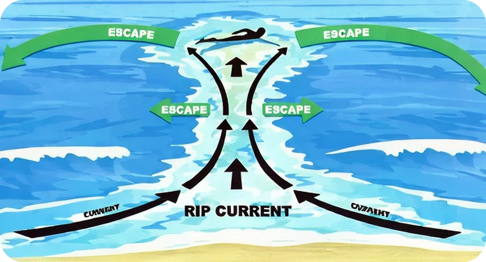
Understand Currents
Rip currents often form in channels or near bays.
If caught in one,don’t fight it—swim parallel to shore until you’re free.
Swim Smart
Always swim or snorkel with a buddy.
Know your limits and don’t go farther than you can swim back safely.
Wear Proper Footwear
Use sturdy shoes for walking on rocks or reefs.
Slippers are not safe—they can slip easily.
Be Careful on Rocks
Rocks can be sharp and slippery. Move slowly and watch your footing.
Dangerous Marine Life
Most marine animals have natural defenses and may sting or bite if threatened. If you’re unsure what an animal is, don’t touch it.
General Safety Tips:
Never reach into crevices or holes.
Avoid touching fish or coral.
Be cautious—some animals can sting or puncture skin.
A few of the more common dangerous marine animals are listed below:
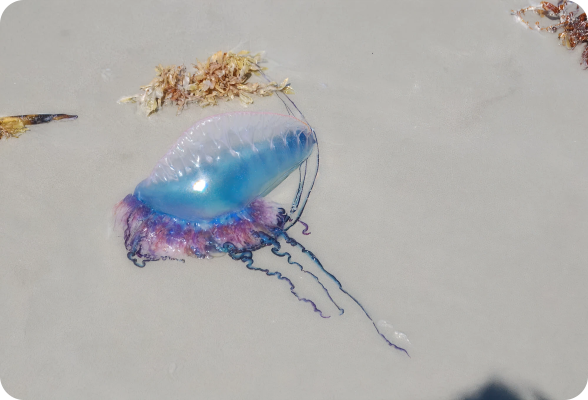
Portuguese Man-O-War
Found on beaches and in the water.
Long blue tentacles can sting painfully.
If stung, remove tentacles from the skin, and apply full strength vinegar or a paste of vinegar and meat tenderizer (unless the victim is allergic to papaya). Get medical attention immediately if the reaction is severe.
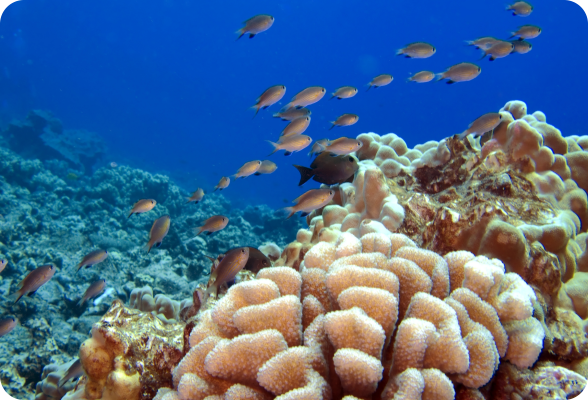
Coral
Sharp edges can cause cuts, abrasions, and infection.
If you suffer coral cuts, clean the cuts with rubbing alcohol, hydrogen peroxide or soap and water, then apply an antiseptic. If the cut is deep, consult a physician. Mild abrasions can be treated by soaking the irritated areas in a dilute vinegar solution.
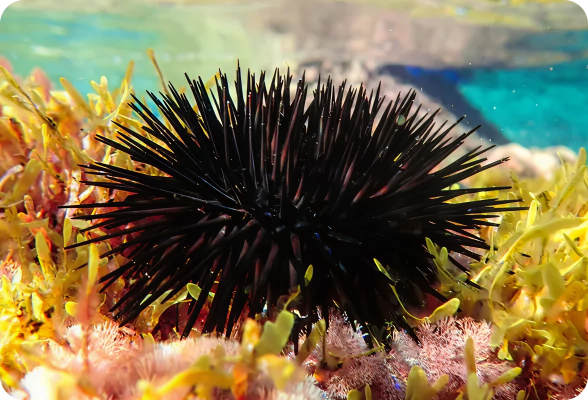
Sea urchins (wana)
Long brittle spines can puncture skin.
If poked by a sea urchin, soak the wound in hot water until the pain goes away, then apply undiluted vinegar. See a physician for removal of long embedded spines.
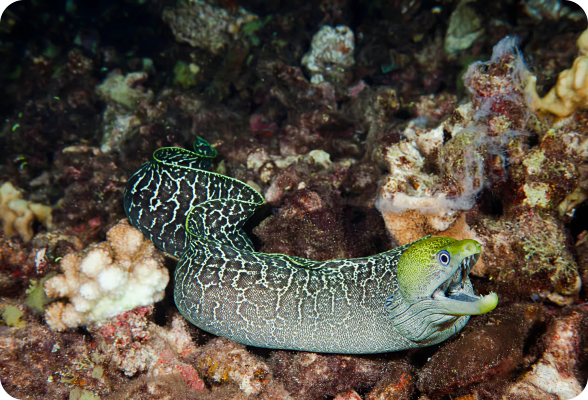
Moray eels
Usually hide in holes and crevices.
Can bite if provoked.
Avoid putting hands into holes or feeding eels.
If bitten, clean the wound with soap and water and apply antiseptic. If the wound is serious, apply pressure and elevate to control bleeding, then get medical help as soon as possible.
More Information
For more details on dangerous marine organisms, check local publications.
This information is based on the University of Hawai‘i Sea Grant Advisory Report UNIHI-SEA-GRANT-AR-78-01 (July 1978), University of Hawai‘i Sea Grant College Program.
Copies of the report are available upon request from the publisher.
Disclaimer: The author and publisher are not responsible for any loss, risk, or liability resulting from the use of this information.