Learn & Explore/Habitats/Estuaries

Estuaries

Estuaries are coastal zones where rivers meet the sea, supporting rich biodiversity and marine life.

What is an Estuary?

An estuary is an ecosystem where freshwater mixes with saltwater from the ocean. Estuaries are “nurseries of the sea” because this productive, sheltered environment is incredibly rich in aquatic life, especially juvenile fish.

Estuaries possess distinct physical attributes that differentiate them from all other aquatic ecosystems:

    • Wave Attenuation: Estuaries offer protection from high-energy wave action via landforms like headlands.
    • Salinity Gradients: Estuaries are characterized by brackish water, maintaining a salinity level (a measure of how much salt is dissolved in water) between freshwater streams or springs and the marine environment.
    • Connectivity: Estuaries feature functional, though sometimes intermittent, connections to the open ocean as well as to streams, which are critical for the migrations of various native fish and aquatic invertebrates.
    • Tidal Influence: Estuaries experience tidal fluctuations; in Hawai’i, these effects can extend far inland into stream systems.
    • Natural Fertility: These nutrient-rich waters act as an engine for primary productivity, fueling the entire coastal food web.

Why Estuaries Matter in Hawai‘i

Estuaries are more than murky transition zones between land and ocean; they are some of the most productive ecosystems known.

  • Biodiversity: Estuaries support remarkable assemblages of species, from fish and invertebrates to limu, plankton and microbes. Many species are attracted to the varied and abundant food sources.
  • Fish nurseries: The murky waters act like smokescreens, challenging adult fish as they hunt for young fish, shrimp, and crabs.
  • Natural Filters: The vegetation in estuaries acts as a giant sponge, filtering out pollutants, detritus, excess nutrients and sediment from the islands before they reach coral reefs.
  • Carbon sinks: Fertile waters support plant growth that spans single-celled diatoms, limu, seagrasses, and sedges.
  • Storm BuffersEstuaries protect inland areas by absorbing the energy from storm surges and heavy rainfall, diminishing erosion and flooding.
  • Fishing grounds for all: Estuaries are prime and safe fishing grounds that an entire ‘ohana can enjoy, from keiki learning to fish, to kūpuna enjoying a pastime from their youth.

Types of Estuaries in Hawai‘i

Bays – with over 200 estuarine bays in the Hawaiian Islands, this is the most common type of estuary. Sources of freshwater include both streams that terminate in bays as well as coastal groundwater discharge. Many loko i‘a (fishponds) were built within or near estuarine bays to take advantage of this brackish water productivity.

Lagoonal estuaries – are Hawaiʻi’s rarest and most threatened coastal environments. Today, only about 50 of these vital ecosystems remain statewide, facing more significant human and environmental impacts than any other estuary type.

Riverine estuaries – form where streams meet the sea, extending inland as far as the tides can reach. These estuaries range broadly from small stream mouths to expansive meandering rivers, but all are vital “movement corridors” for native stream species. Every Hawaiian freshwater fish begins its life in the ocean currents. As juveniles, they must navigate through these estuaries to reach their permanent homes in the freshwater streams. During this journey, these larval fish become a primary food source for juvenile marine fish, making the estuary a high-energy nursery for the entire coastal food web.

Estuary complex – It is not uncommon for estuaries in to consist of interconnected estuary types, such as riverine and bay, lagoonal and bay, or all three types collectively creating a much larger and extensive estuarine ecosystem.
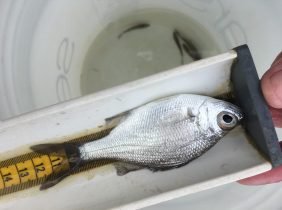
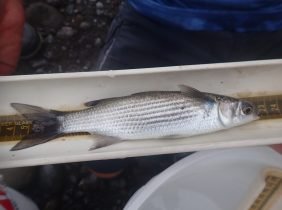
Common Fish in Estuaries

0bc6f8e29f1e2f6fd4f193460fd5b0a77dafa5c1

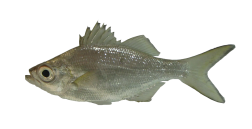
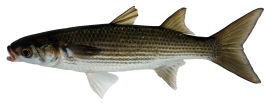
Aholehole

4b2f829b65f7f39d61d289d360105796099167b7

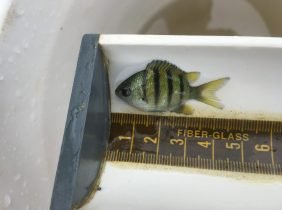
Ama ama

d4b341df069386409ef6d17541b22028a8a917e3

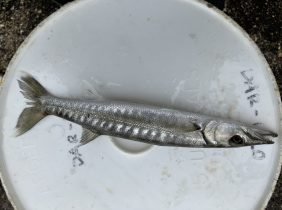
Barracuda

78bbd0c0a8a5819995cab569e3fe6cf587753284

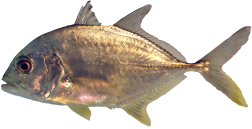
Ignobilis

5db160d66c288344ccc43402e4ebf23c324fcf8f

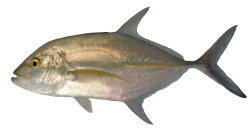
Melampygus

OLYMPUS DIGITAL CAMERA

Kiholo

6f6e58277f1bc4c34fe29543ea14ee3130664ff8

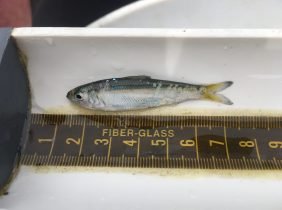
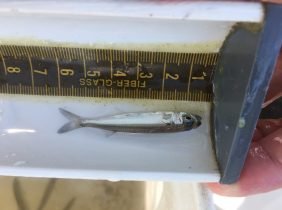
Goldspot sardine

c3306c862150b75232c639a05b26759beef9012e

Iao

1ad0db390e5a45ffeed0605d1ee5699be7801ab1

Juvenile

1dff2b3837988852a7d6b9075e4eba5595659410 (1)

Xenura

28350282621759280bbe32988f0566881a6daf4a

Kanda

b77596b27aab22a7c97f48701083fb4be21b9e52

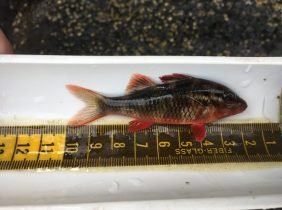
Kumu

6a81a46eb6b775ea052a3ba9c4cd4493bc250048

Iai

????????????????????????????????????

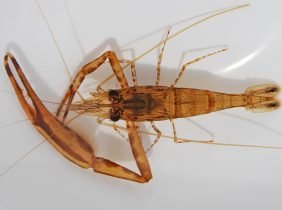
Macrobrachium grandimanus

b8b9e109b8ddc8a8609913276f220d179a782f3f

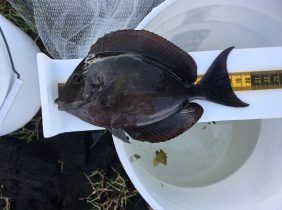
Mamo

c60a7215a9f54f708476766dce9a056fc1c38cd4

Manini

ce89799553bb3b260be2c83f11ac9035ab184d62

Moi

ae82d613ac0a7634792dc61d3f11ab60860d6efb

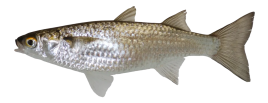
Moolgarda engeli

619e569f9f3d52ada6aa49c6e9457fb3b149822c

Mugil cephalus

OLYMPUS DIGITAL CAMERA

Mulloidichthys vanicolensis

c1d026cb628fffba7f3dc8dbf8be0ecd7e6b2a58

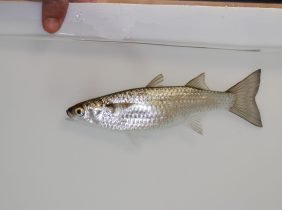
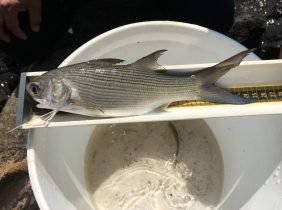
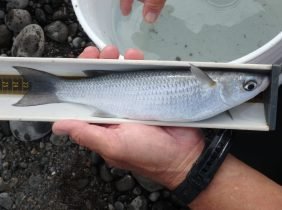
Nenue

9fd8d22c72b9f265de0e60e7bdcf5322dc0a8d9d

Neomyxus leuciscus

a658973a7dd4dc55ca016175d41f2c8f6e1f782b

Oama

016f065780365247e81043b347e29799df915936

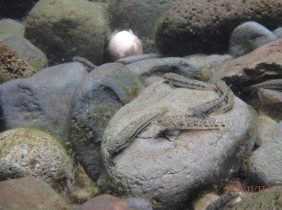
Oopu

57d5cf4dd549aa7a14416df34f8487bd7ca19e08

Papio

7a147c75529b921daeab0353cf7e79a1a9710307

Pualu

b495d439f8fb811b231de512664de0c3da740995

Toau

608a6b1f12c1c00db64e04491602dde9ac501bac

Uouoa

What are Stressors?

Because most estuaries are so close to human development, this ecosystem is often at risk from overdevelopment, pollution, freshwater diversion, and introduced species. Protecting and restoring estuaries is a priority for DAR. Visit the DAR Estuaries Program for more information.

Learn More about Estuaries