Know the Rules/Fishing Regulations/Marine Managed Areas/Hawai‘i Marine Life Conservation Districts
Hawai‘i Marine Life Conservation Districts
Style A Carousel
Introduction
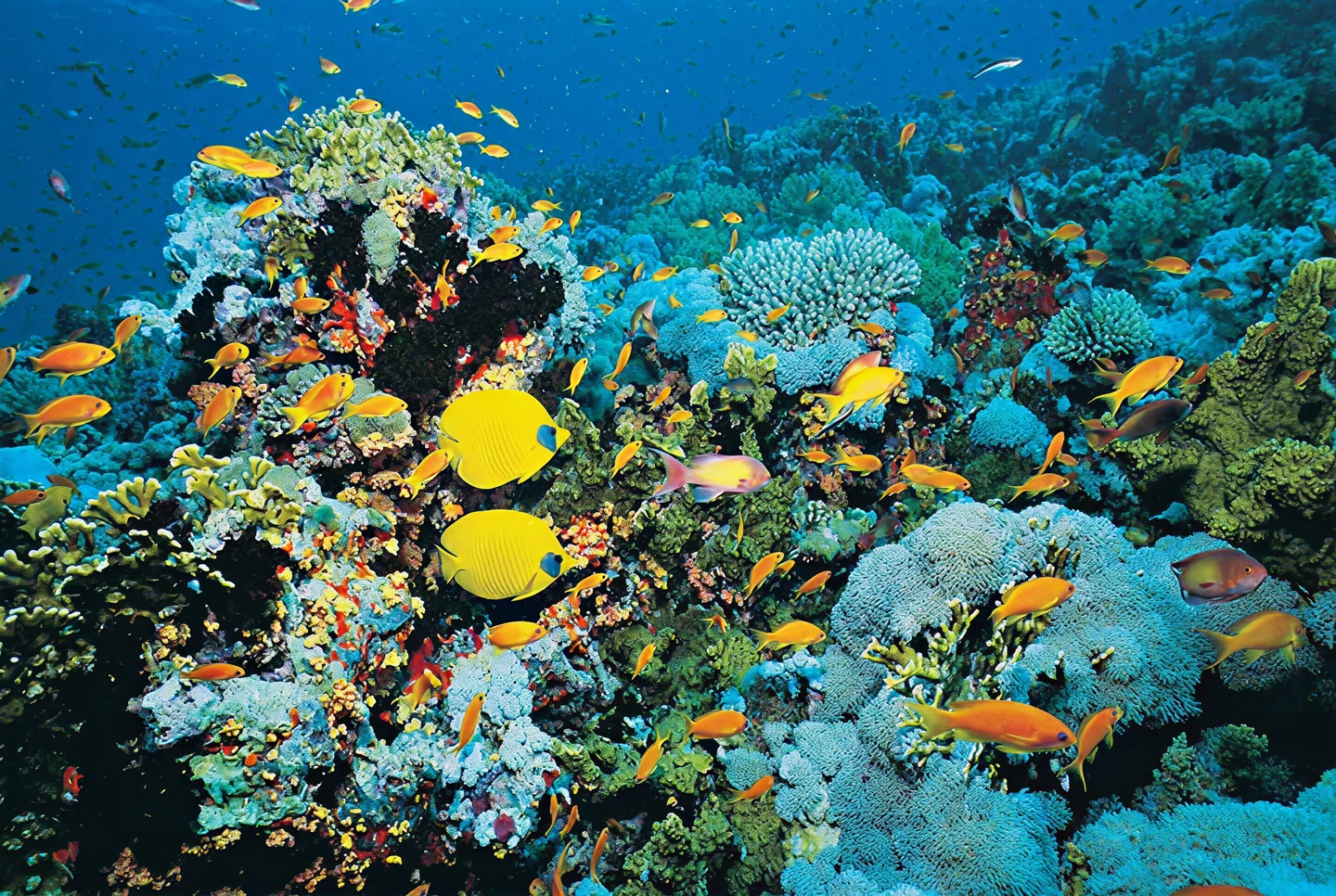
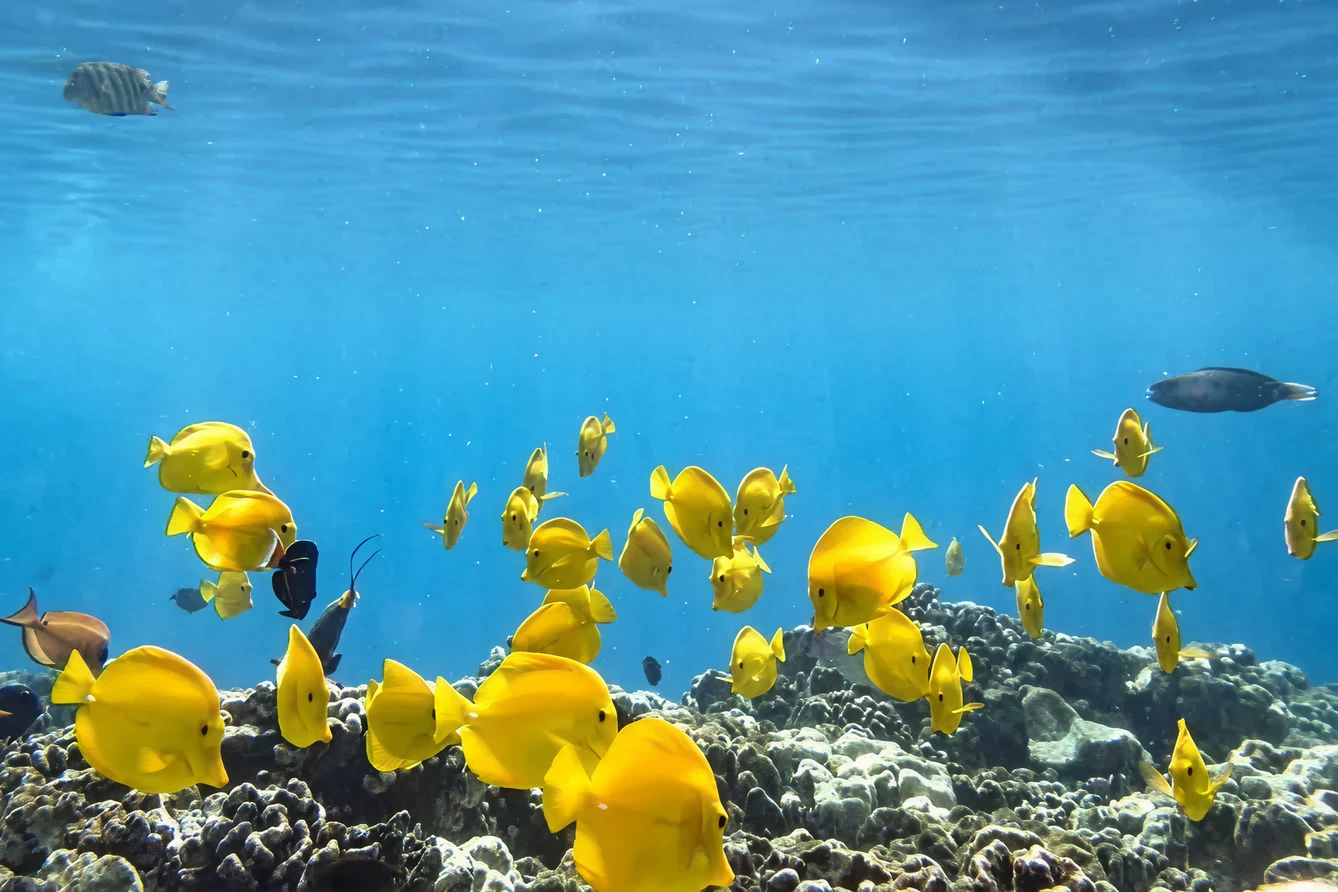
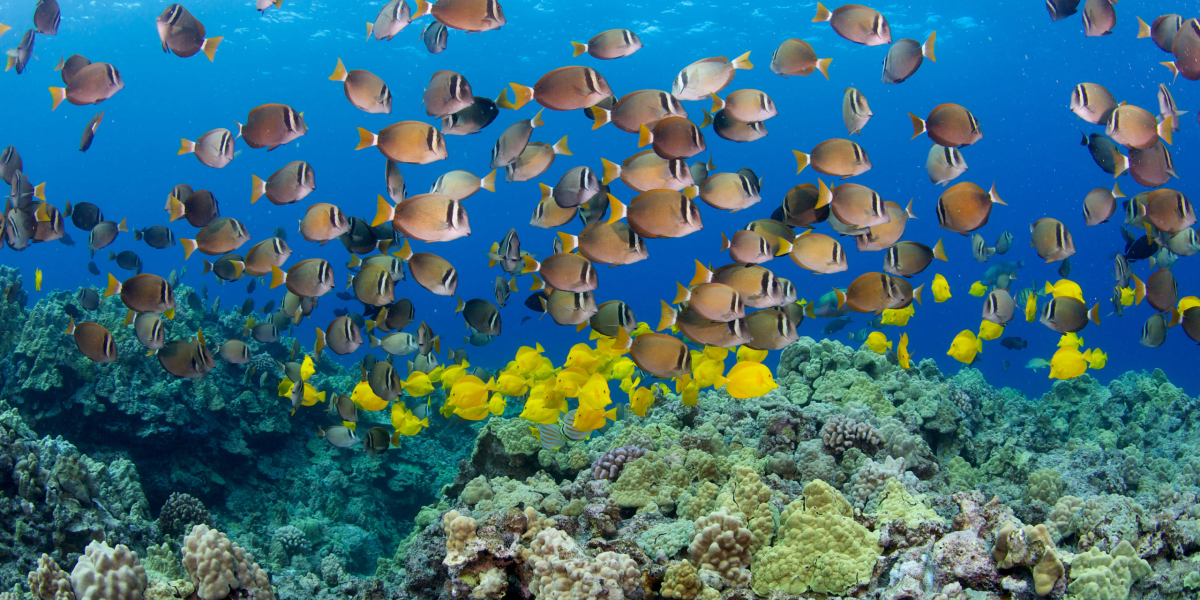
Hawai‘i’s nearshore waters are home to over 1,500 species of fish, invertebrates, and algae , making them one of the state’s greatest natural treasures. These waters support a remarkable diversity of marine life:
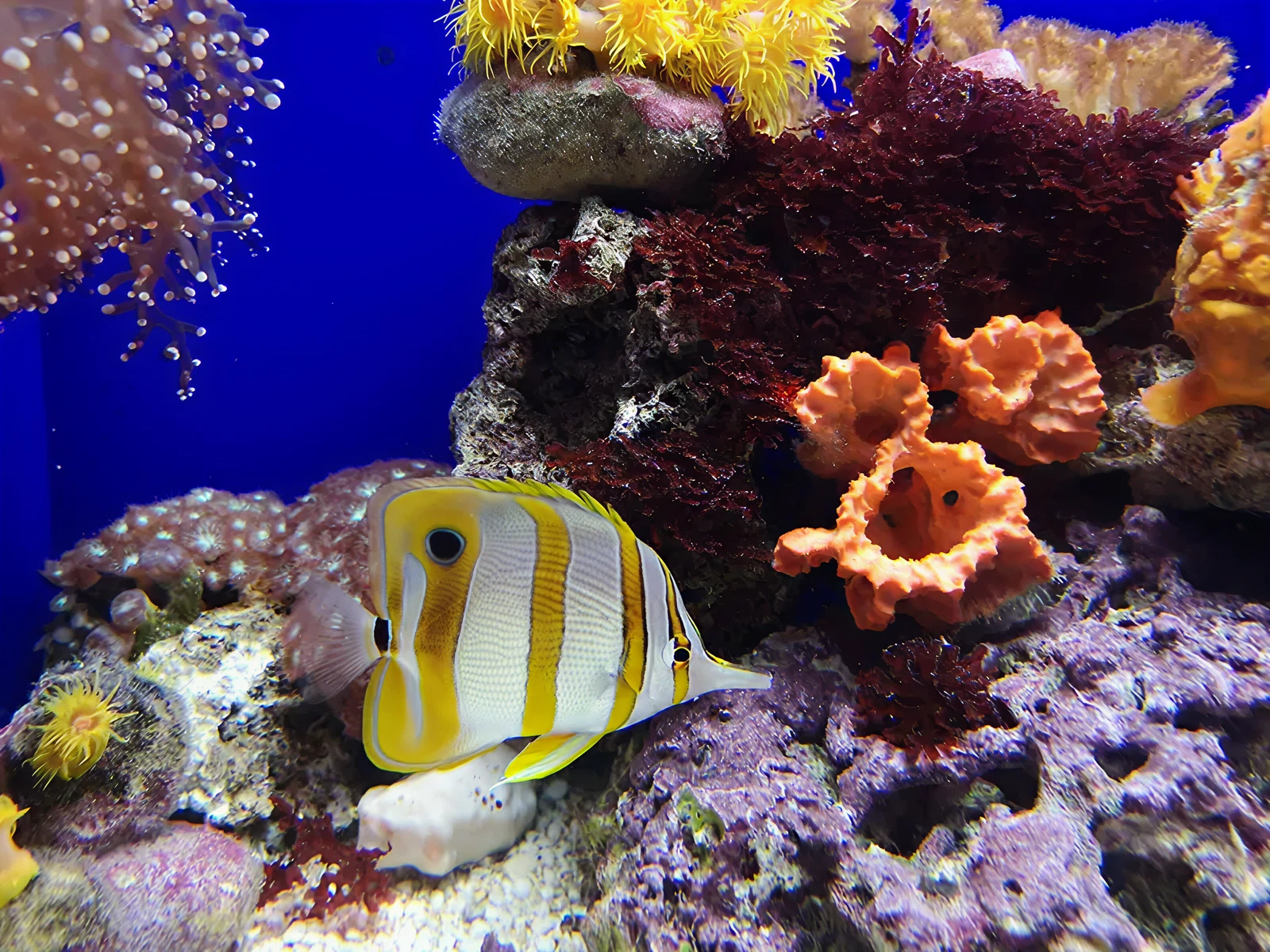
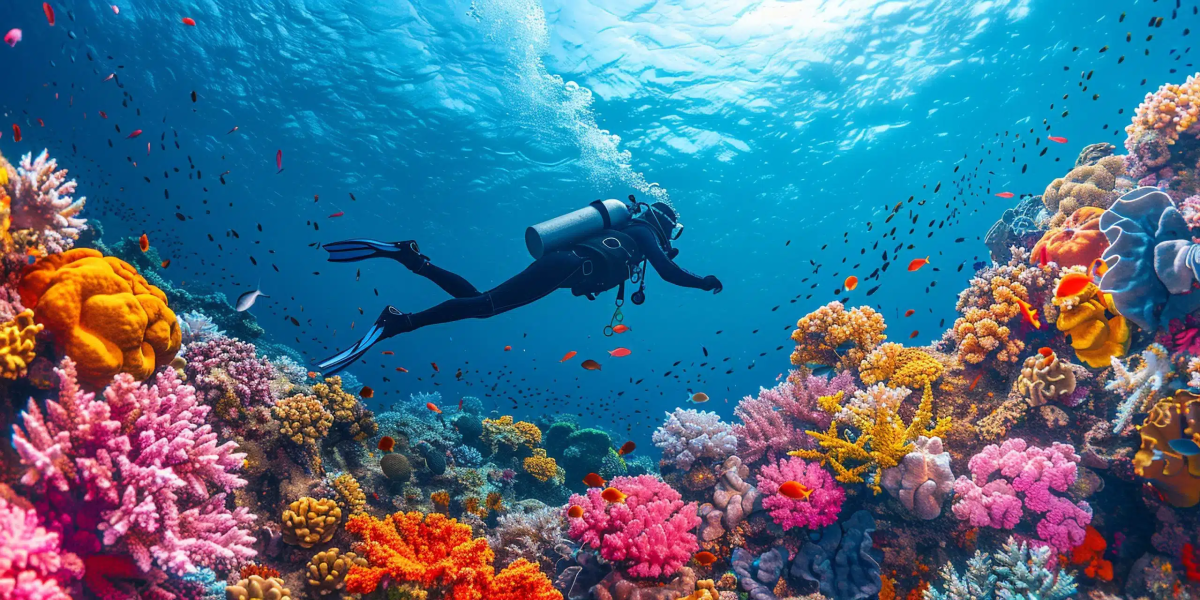
Colorful reef fish: Many species display bright colors and patterns, often found around coral reefs.
Unique habitats: Coastal waters vary by island—some have sandy bottoms, others rocky shorelines or boulder-strewn areas.
Specialized species: Each habitat supports its own mix of marine life.
Why are Coral Reefs Important?
Coral reefs are among Hawai‘i’s most valuable marine habitats. They provide:
Food and shelter for countless marine species.
Protection for shorelines against waves and storms.
A foundation for marine ecosystems, supporting everything from tiny microorganisms to larger fish.
Healthy reefs are essential for ocean health. They are sensitive to changes in water quality and global climate shifts. Protecting reefs and other nearshore ecosystems is critical to maintaining biodiversity and sustaining marine life.
The Need For MLCDs
Nearshore fish have always been important to Hawai‘i’s lifestyle. Many species are:
Commercially valuable (sold as food or aquarium pets).
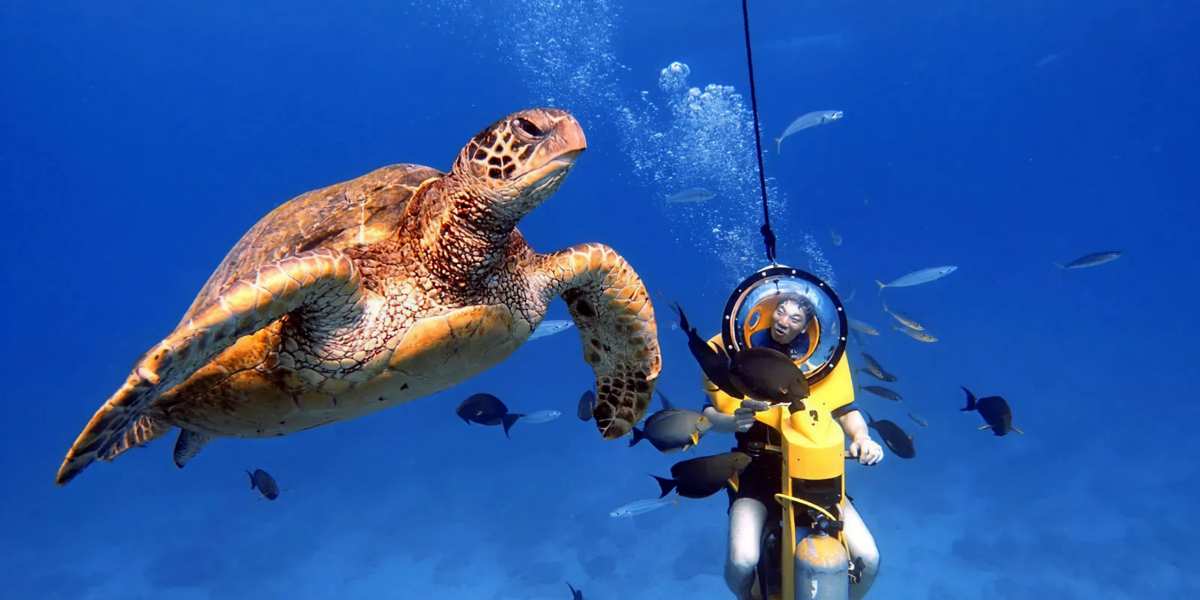
Popular for recreation (fishing, snorkeling, and SCUBA diving).
These activities provide enjoyment for residents and visitors and offer opportunities to see reef fish in their natural environment.
Why Protect Nearshore Fish?
Hawai‘i’s growing population has put pressure on fish populations. Overfishing and habitat damage can harm marine ecosystems. Protecting these resources ensures future generations can enjoy them. Management must balance the needs of different user groups while prioritizing the health of marine life.
What Are MLCDs?
Marine Life Conservation Districts (MLCDs) are areas set aside to conserve and replenish marine resources .
Fishing and other extractive uses are limited or prohibited.
MLCDs provide safe habitats for fish and other marine life to grow and reproduce.
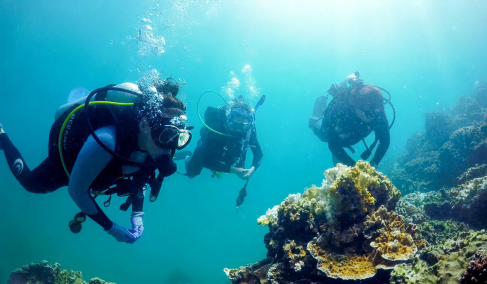
They are home to a wide variety of species and are popular for snorkeling, diving, and underwater photography.
History of MLCDs
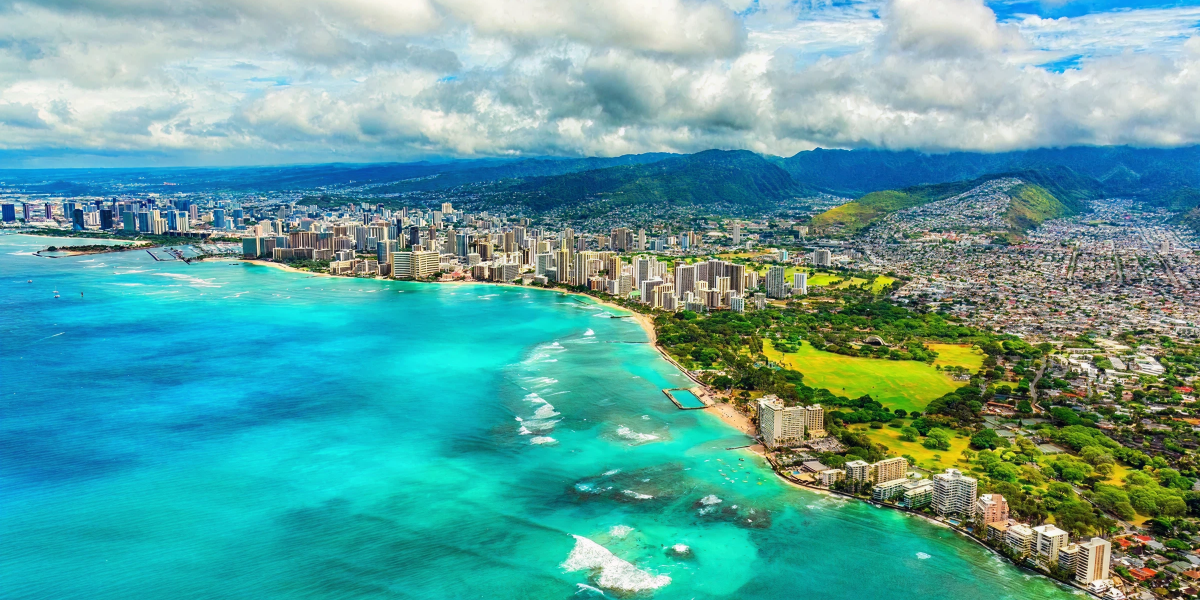
MLCDs began in Hawai‘i in 1967 with the creation of Hanauma Bay on O‘ahu. Fish populations rebounded dramatically, and the bay became world-famous.
Today, there are 11 MLCDs statewide, with more sites under consideration.
The Process of Creating an MLCD
Marine Life Conservation Districts (MLCDs) are established by Hawai‘i’s Department of Land and Natural Resources (DLNR) under state law.
How it works:
1. Proposal – Suggestions for new MLCDs come from the Legislature or the public.
2. Evaluation – DLNR’s Division of Aquatic Resources (DAR) reviews areas based on:
Public accessibility – Area should be easy for the public to access.
Marine life and future potential – Rich biodiversity and potential for restoration.
Public safety – Safe for public use.
Compatibility – Fits with adjoining area usage.
Minimal environmental change – Remains close to its natural state.
Clear boundaries – Easily recognizable for compliance and enforcement.
Suitable size – Large enough to restore fish populations despite fishing outside; Small enough to avoid denying fishermen access to vast areas.
3. Investigation – Includes surveys and studies of topography and fish populations.
4. Public Input – Community meetings and hearings are held before rules are drafted.
5. Approval – Final approval comes from the Board of Land and Natural Resources and the Governor.
Regulations in MLCDs
The goal is to protect marine life as much as possible.
Taking any living material (fish, eggs, shells, coral, algae) is generally prohibited unless specifically allowed.
Non-consumptive activities like snorkeling and diving are encouraged.
Fishing may be allowed with restrictions based on public input.
Signs at each MLCD explain the rules. For details, check the Hawai‘i Fishing Regulations booklet or contact the nearest DAR office.